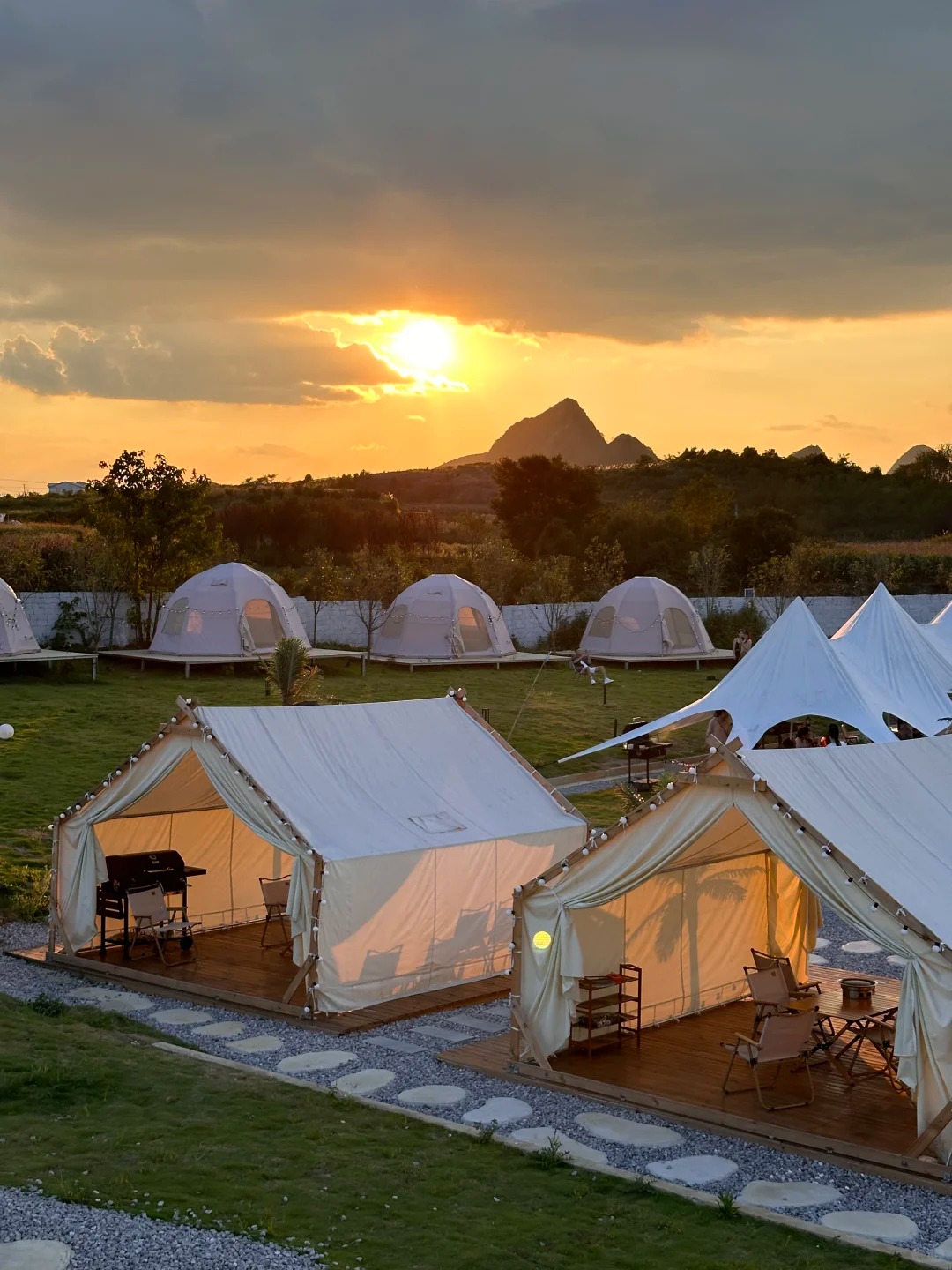
Glamping, short for “glamorous camping,” has changed the way many people think about outdoor travel. Instead of choosing between a traditional campsite and a hotel, travelers can enjoy both nature and comfort in one place.
At the center of this experience is the glamping tent. Unlike a basic camping tent, a modern glamping tent can provide a spacious interior, comfortable furniture, private bathrooms, electricity, air conditioning, and other features that make outdoor stays feel more like a real getaway.
For travelers, glamping offers a more comfortable way to experience nature. For campground owners and hospitality businesses, it can also create new opportunities for building unique accommodation projects.
So, what exactly is a glamping tent, and what makes it valuable?
What Is a Glamping Tent?
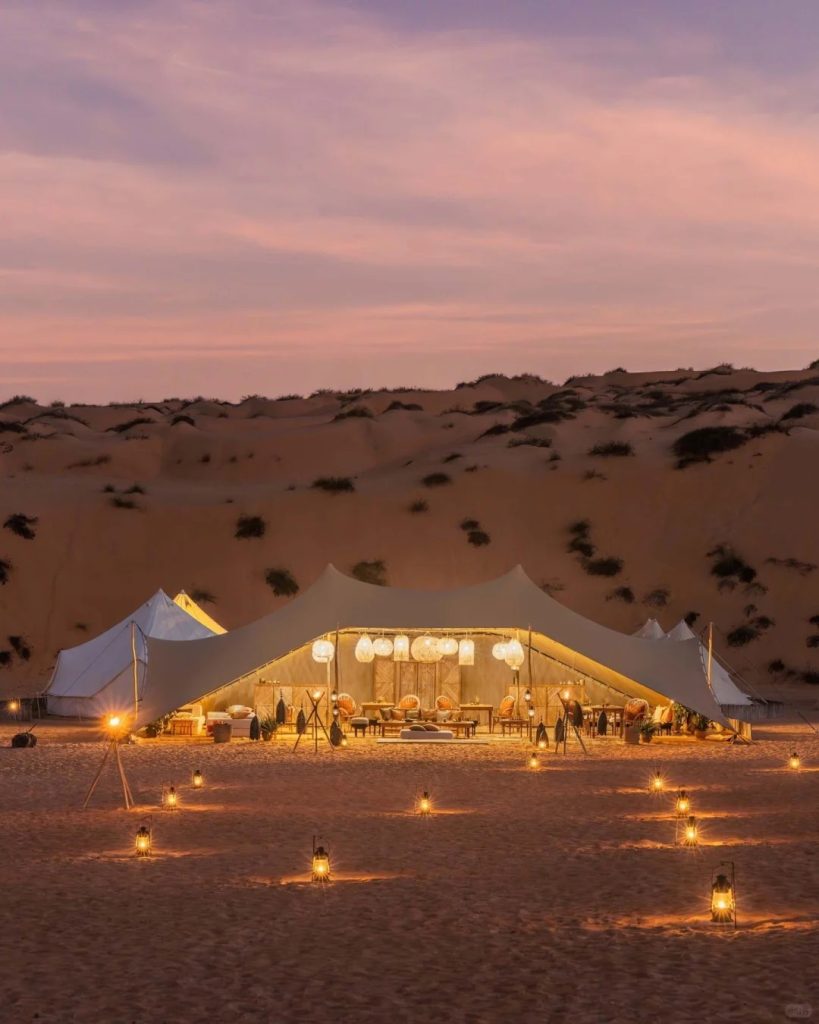
A glamping tent combines the outdoor experience of traditional camping with the comfort of a hotel or resort. It is designed to give guests a place to stay close to nature without asking them to give up everyday comforts.
Modern glamping tents are available in different shapes, sizes, and layouts. Depending on the project, they can be used as private guest rooms, family accommodations, resort units, or other outdoor hospitality spaces.
Strong and Stable Structures
A reliable structure is one of the most important parts of a glamping tent. The frame needs to provide enough support for the tent and its interior features while handling the weather conditions expected at the site.
Depending on the design and materials, glamping tents can be built for different outdoor environments. Wind, rain, snow, and strong sunlight should all be considered when selecting a tent for a specific location.
Insulated and Protective Fabrics
The tent fabric also affects the comfort of guests. Proper materials can help control indoor temperatures and create a more comfortable environment during both warm days and cool nights.
For outdoor hospitality projects, material selection should also take safety and local weather conditions into account. Fire-resistant materials may be required or preferred depending on local regulations and the project design.
Comfort and Amenities Inside a Glamping Tent
One of the biggest differences between traditional camping and glamping is what guests can enjoy inside the tent.
Spacious Interiors
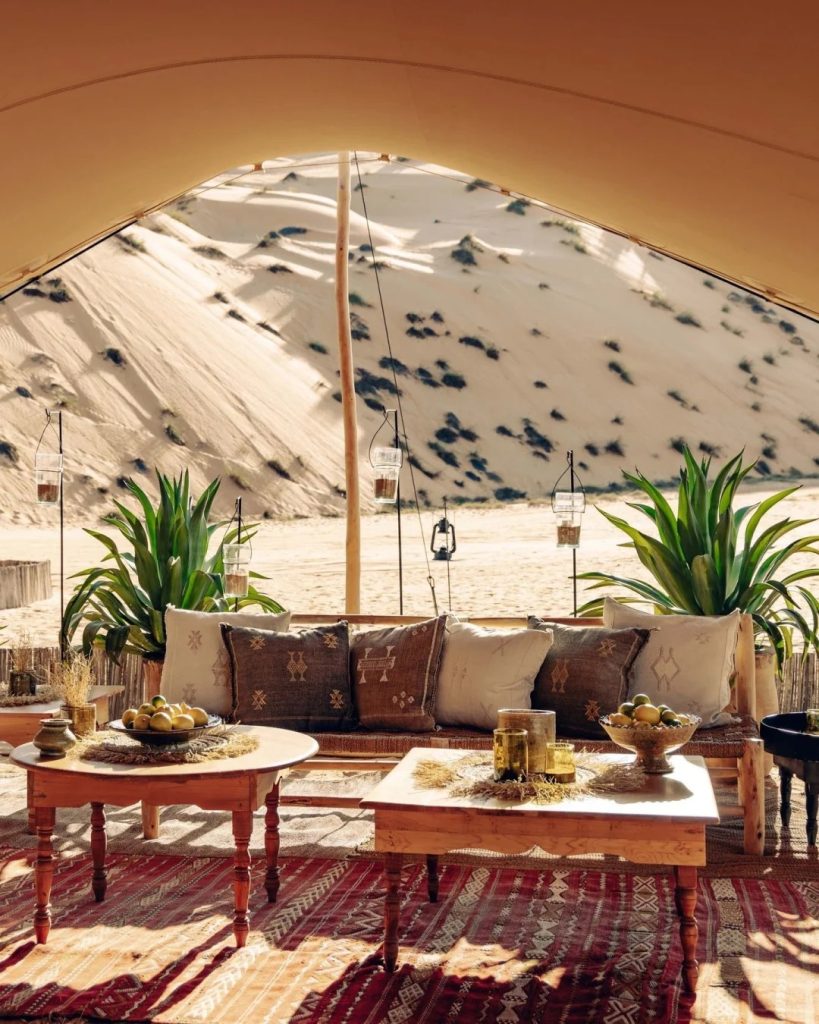
A well-planned glamping tent can offer much more living space than a standard camping tent. Depending on the size, the interior may include a bedroom, seating area, storage, dining space, or even a small kitchen.
The interior design can also be adapted to different styles. A natural look may work well for a forest retreat, while a more modern design may fit a luxury resort.
Comfortable Beds and Furniture
A comfortable bed is one of the most important parts of the guest experience. Quality mattresses, bedding, seating, tables, and storage can make the tent feel more like a hotel room while keeping the connection with the outdoors.
These details may seem simple, but they can have a strong effect on how guests remember their stay.
Private Bathrooms and Showers
Private bathrooms are another feature that can make a major difference. Guests can enjoy the outdoor setting without having to leave their accommodation for basic facilities.
When a bathroom is included in the tent, drainage, ventilation, waterproofing, and space planning should be considered during the design stage. A good layout helps keep the interior comfortable and easy to maintain.
Electricity and Air Conditioning
Modern guests still expect many of the comforts they have at home, even when they choose to stay in a remote location.
Lighting, power outlets, air conditioning, and other electrical equipment can make a glamping tent much more comfortable throughout the year. Electrical systems should be planned carefully so that wiring and equipment are safe, practical, and well integrated into the interior.
A Closer Connection With Nature
One of the main reasons people choose glamping is the opportunity to experience nature without giving up comfort.
Large windows can bring more natural light into the tent and give guests better views of the surrounding landscape. Outdoor seating and dining areas can also encourage guests to spend more time outside.
This connection with nature is part of what makes glamping different from a traditional hotel stay. Guests can wake up to forest views, enjoy a quiet evening outdoors, or simply relax in a natural setting.
A well-designed glamping tent can also become an attractive part of the destination itself. Its appearance, interior design, and natural surroundings can create memorable moments that guests are more likely to photograph and share.
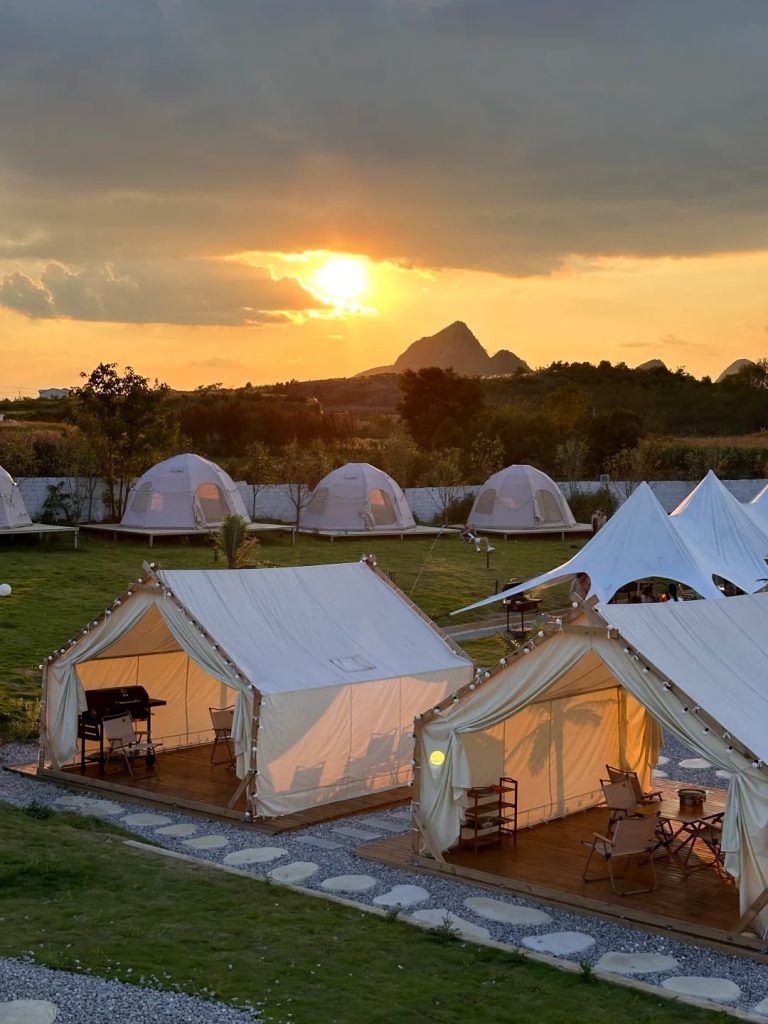
Eco-Friendly and Durable Glamping Tents
Sustainability is becoming an important consideration for outdoor hospitality projects. Because glamping sites are often built in natural environments, it is important to think about how construction and daily operations affect the surrounding area.
Choosing durable materials can help extend the useful life of a glamping tent and reduce the need for frequent replacement. Long-lasting structures may also help reduce material waste over time.
At the same time, durability is closely related to guest safety and comfort. The tent structure, fabric, and other components should be selected according to the local climate and the expected conditions of the site.
The Business Value of Glamping Tents
Glamping tents are not only accommodation products. For business owners, they can become an important part of an outdoor hospitality project.
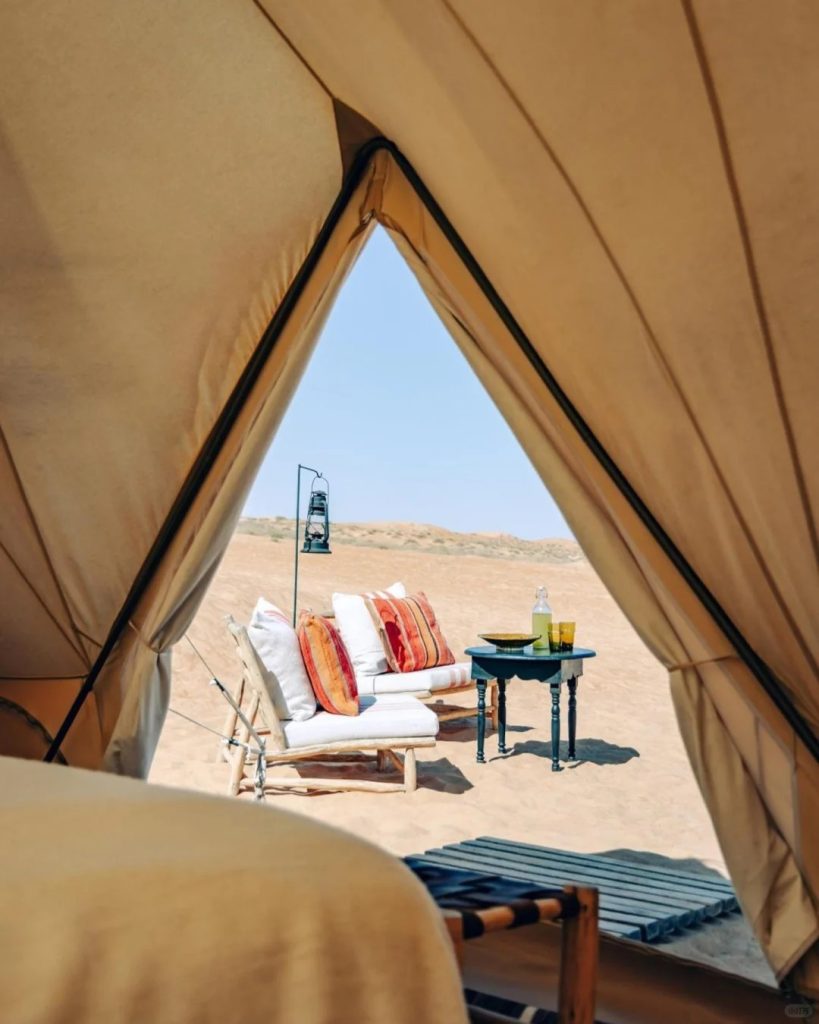
Growing Interest in Unique Accommodation
Many travelers are looking for experiences that are different from a standard hotel room. They want to spend time outdoors, enjoy attractive scenery, and still have access to comfortable accommodation.
This creates opportunities for businesses that can combine nature, comfort, and a memorable stay.
Different Customer Groups
Glamping can appeal to different types of guests, including couples, families, groups, and travelers looking for outdoor experiences.
Because glamping tents come in different sizes and layouts, operators can create different accommodation options for different customer needs. Themes, interior styles, activities, and facilities can also be adjusted to match the target market.
Faster Project Setup
Compared with some traditional hospitality projects, certain glamping projects can use modular or prefabricated components to simplify installation.
A well-planned tent project may allow operators to prepare accommodation spaces without building a large traditional hotel structure. However, local building codes, permits, foundations, utilities, and site conditions should always be reviewed before construction.
Premium Accommodation Potential
Glamping offers something that a standard room may not: a direct connection with the surrounding environment.
Guests may be willing to pay more for a private tent, attractive views, comfortable amenities, and a unique outdoor experience. The actual pricing potential will depend on the location, facilities, season, competition, and overall guest experience.
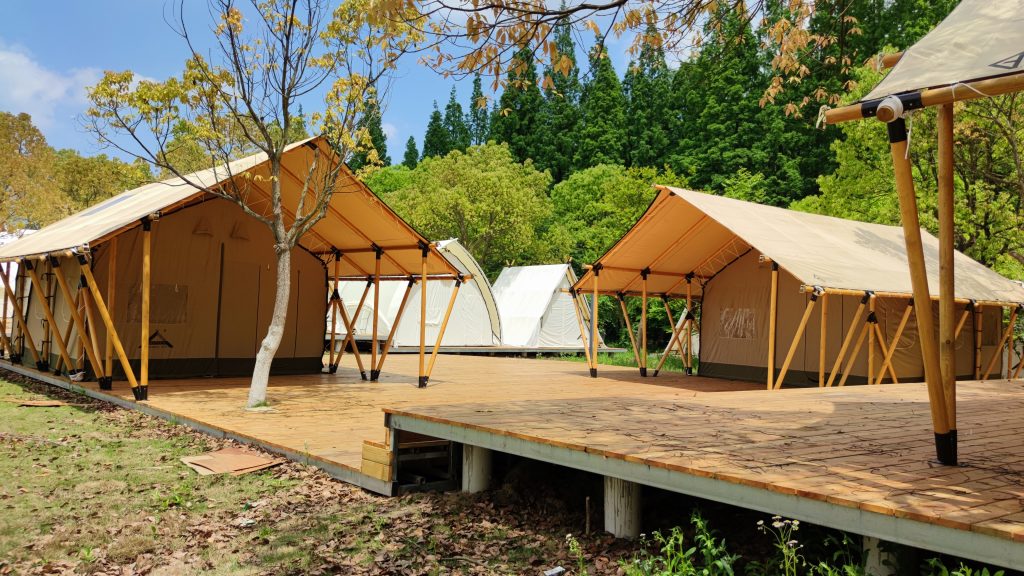
Build a Better Glamping Experience With KK Glamping
A glamping tent is more than a large outdoor shelter. It brings together structure, comfort, design, safety, and a connection with nature.
For travelers, it provides a new way to enjoy the outdoors. For campground owners, resort developers, and hospitality businesses, it can become an important part of a unique accommodation project.
Kawagebo Kamp Glamping, also known as KK Glamping, focuses on glamping tent solutions for projects that want to combine outdoor living with modern comfort.
If you are planning a new glamping resort or adding glamping accommodation to an existing property, start by understanding your site, your guests, and your project goals. Then choose a glamping tent solution that fits the environment and the experience you want to create.