
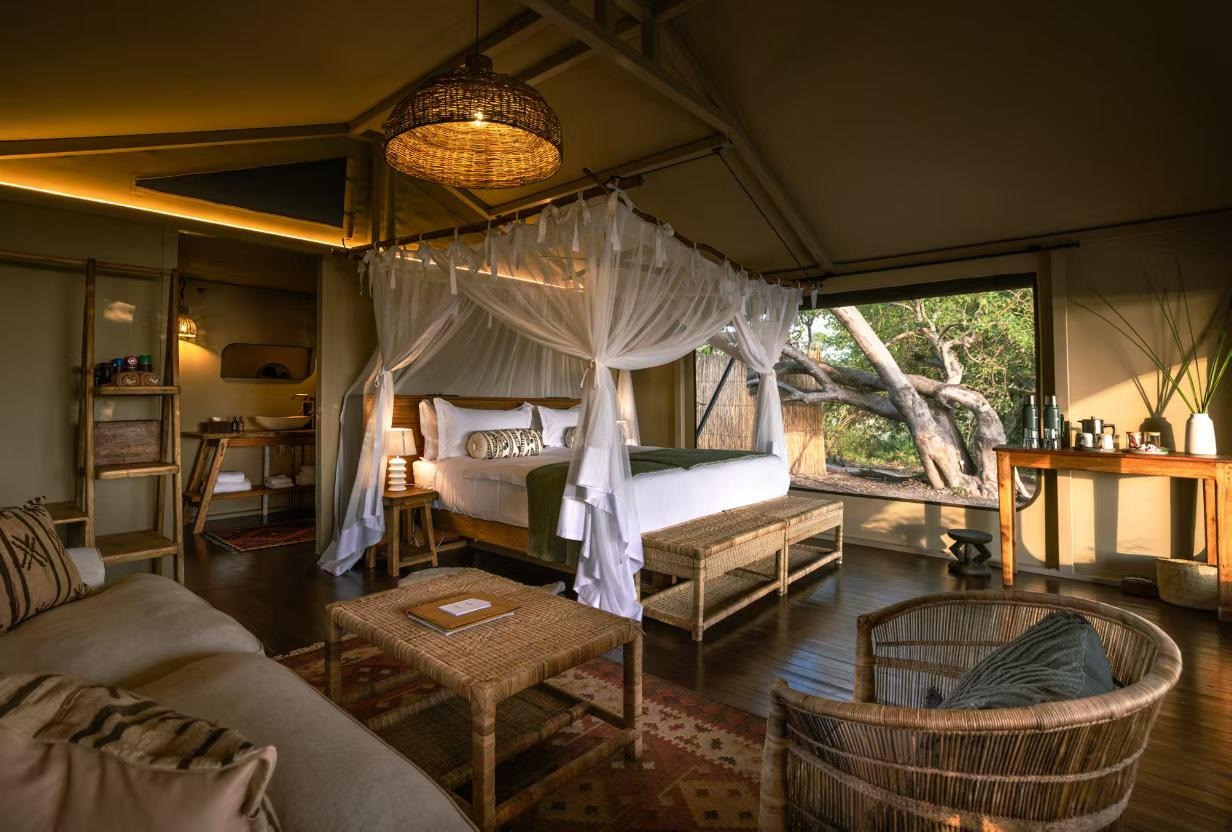
How to Set Up a Glamping Tent
Setting up a glamping tent can look like a big job. But once you know the right steps, it’s much easier than you think. Whether you’re new to camping or have done it for years, this guide walks you through the key steps. By the end, you’ll feel ready to build a cozy, stylish outdoor retreat with confidence.
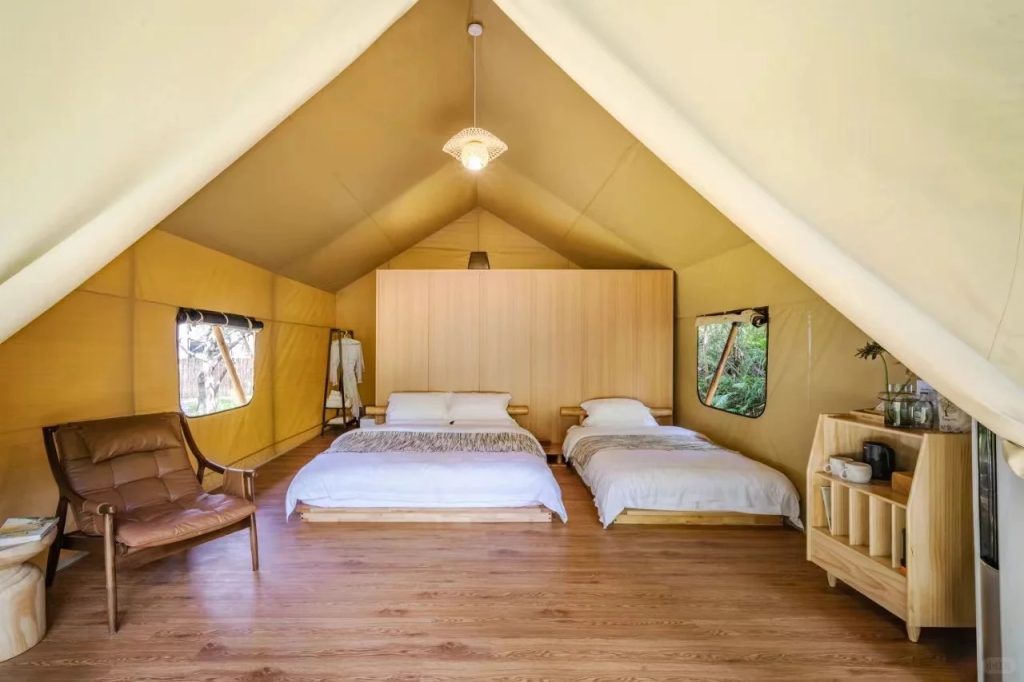
Before You Start: Get Ready for a Smooth Setup
Setting up a glamping tent is not just about unrolling canvas. It starts with a good plan. A smooth setup comes down to choosing the right spot, checking the weather, and having the right tools.
First, pick a flat spot with good drainage. Stay away from slopes and areas that flood easily. A bad location is one of the most common reasons glamping setups fail.
Next, check the forecast. If rain or wind is coming, bring extra stakes and guy lines to reinforce the tent. A little prep here can save you a lot of trouble later.
Finally, lay out everything before you start: tent parts, a hammer or mallet, a ground tarp, and the instructions. This saves time and helps you avoid missing pieces. Many experienced campers suggest laying everything out first so nothing gets lost. It’s a small habit that prevents big headaches.
In short, good prep is the key to a successful glamping tent setup. Get the site, tools, and mindset ready, and you’ll avoid common mistakes and enjoy a comfortable, relaxed stay.
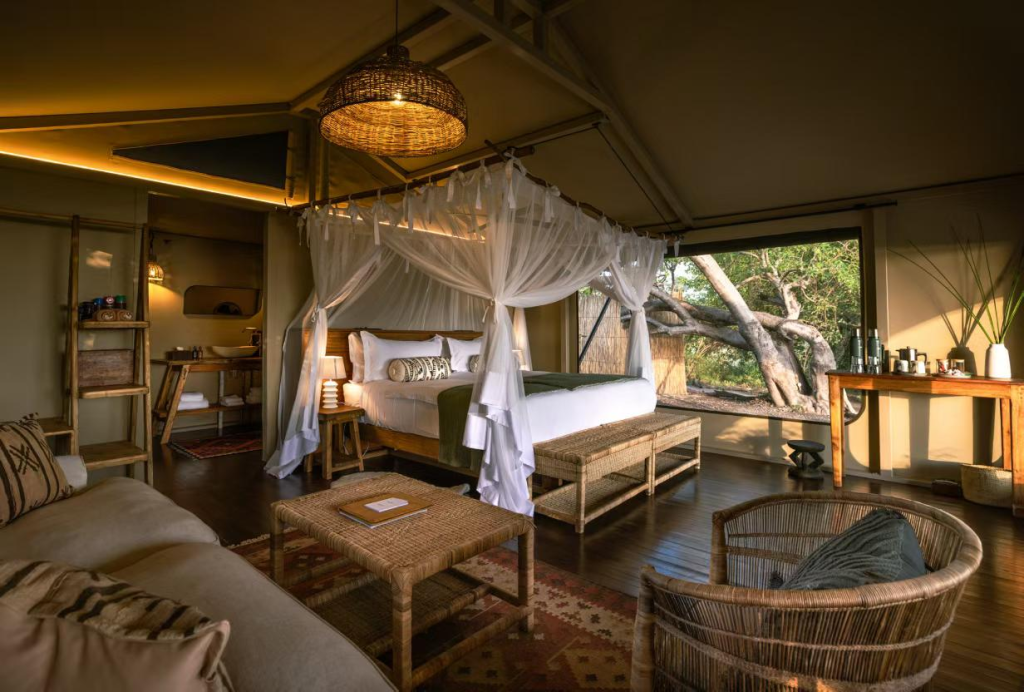
Key Steps for Setting Up the Main Structure
Prep the Ground
Lay down a waterproof tarp or ground mat to protect the tent floor from moisture. A thicker tarp is a good choice for better durability.
Assemble the Frame
Connect the center pole, side poles, and support rings to build the tent frame. Every tent model has its own instructions. Follow them carefully to make sure the tent is stable.
Put the Tent Cover On
Drape the tent fabric over the frame, pull it tight, and secure the four corners with stakes and guy lines. In windy weather, add extra reinforcement for better stability.
Once the frame is up, you’ve got a solid base. Now you can move on to setting up and decorating the inside.
Inside Setup: Make It Comfortable and Practical
Flooring and Insulation
Use rugs or mats to add comfort. Consider insulated or raised flooring to keep the space warm and dry.
Furniture Layout
Set up the bed with a mattress, pillows, and sheets. Add chairs, a sofa, and a table so the space is easy to use.
Lighting and Power
Hang soft lanterns or string lights. Provide power outlets so guests can charge devices and run small appliances.
This step-by-step approach helps turn your glamping tent into a comfortable, practical space that feels like home.
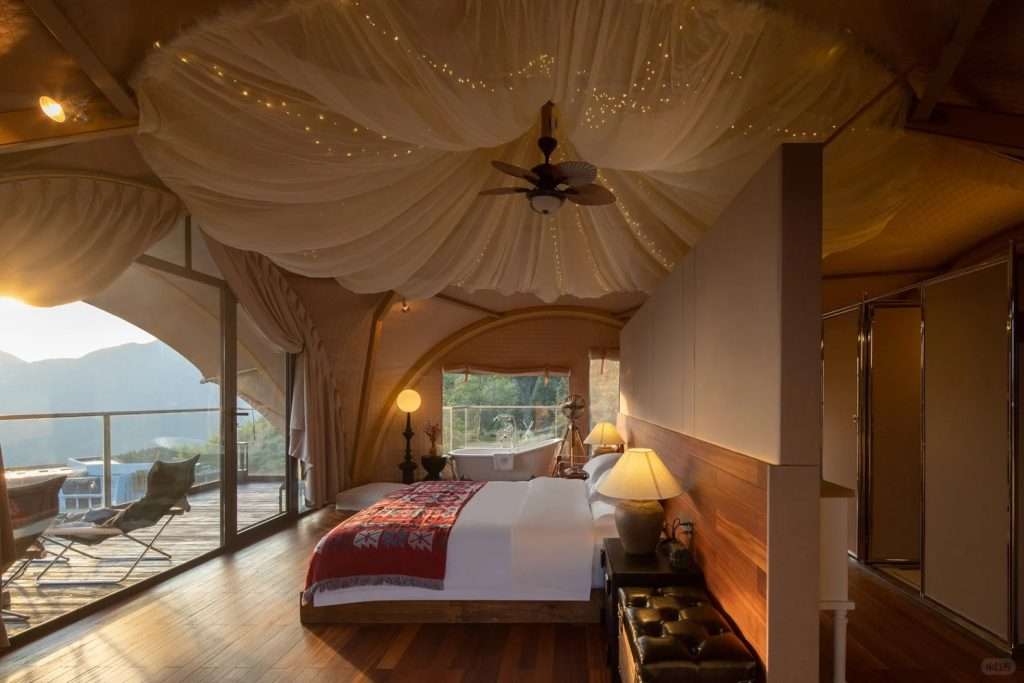
Safety and Maintenance for Your Glamping Tent
A successful glamping tent is not just about comfort. It’s also about safety and durability. Good maintenance keeps the tent in great shape and keeps everyone inside safe.
Secure It Well
Always use strong stakes and guy lines to anchor the tent, especially in windy weather. Proper anchoring prevents accidents and damage.
Check It Regularly
Check the tent fabric, zippers, and poles for wear and damage from time to time. Catching small problems early helps you avoid bigger trouble later.
Keep It Clean
Clean dirt and debris from the tent after each use. Spot-clean stains with mild soapy water, and make sure the tent dries completely to prevent mold.
Be Ready for Bad Weather
If severe weather is coming, be ready to reinforce the tent or take it down for a while. Protecting the tent from storms helps it last longer.
Follow these safety and maintenance tips, and your glamping tent will stay safe and comfortable for many trips to come.
Troubleshooting Common Glamping Tent Setup Problems
Even with good prep, you may run into common challenges. Knowing how to handle them can save time and energy.
Leaks and Drafts
Small gaps or holes can cause leaks or unwanted airflow. Use seam sealant or repair tape to patch holes, and tighten any loose guy lines.
Damaged Poles
Cracked or broken tent poles can affect the structure. Use pole clamps or tape for temporary support, and replace the pole as soon as possible.
Zipper Problems
Stuck or damaged zippers make the tent harder to use and less insulated. Try graphite pencil or zipper lubricant, and replace the zipper pull if needed.
Wind Protection
Strong wind can loosen the tent or damage its structure. Reinforce stakes and guy lines, and turn the narrowest side of the tent toward the wind.
Being ready for these issues helps keep your glamping tent safe and comfortable throughout your trip.

Final Thoughts
A well-set-up glamping tent makes outdoor stays comfortable and fun. Prepare well, set it up carefully, arrange the inside smartly, and keep safety in mind. That’s how you get the best experience.
With these tips, your glamping trip will be smooth and enjoyable. Enjoy your time in nature with comfort and style.
At Kawagebo Kamp Glamping (KK Glamping), we design luxury tents that are built for easier setup, lasting durability, and real comfort. If you need help choosing the right tent or planning your camp, our team is happy to help.