
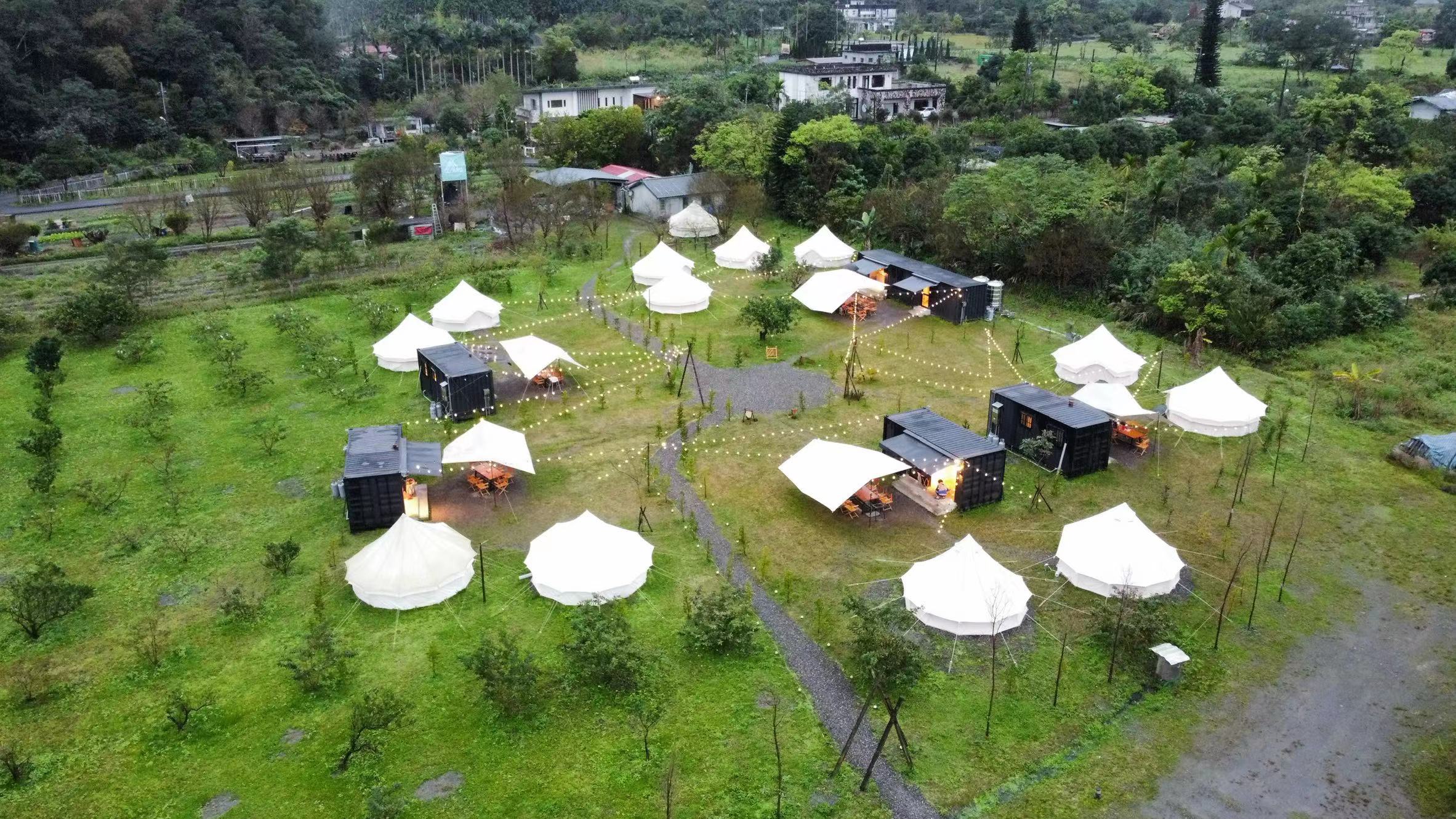
How Long Do Glamping Tents Last? A Complete Guide for Buyers
One of the most common questions we hear at Kawagebo Kamp Glamping (KK Glamping) is: “How long will my glamping tent last?” It is a fair question. After all, a glamping tent is a significant investment—whether you are setting up a resort, a private campsite, or a backyard getaway.
The good news is that a highquality glamping tent can serve you well for 10 to 15 years or even longer with proper care. However, not all tents are created equal. The actual lifespan depends on several key factors, including materials, design, environmental conditions, and how well you maintain the tent.In this guide, we break down everything that affects tent durability and share practical tips to help you get the most out of your investment.
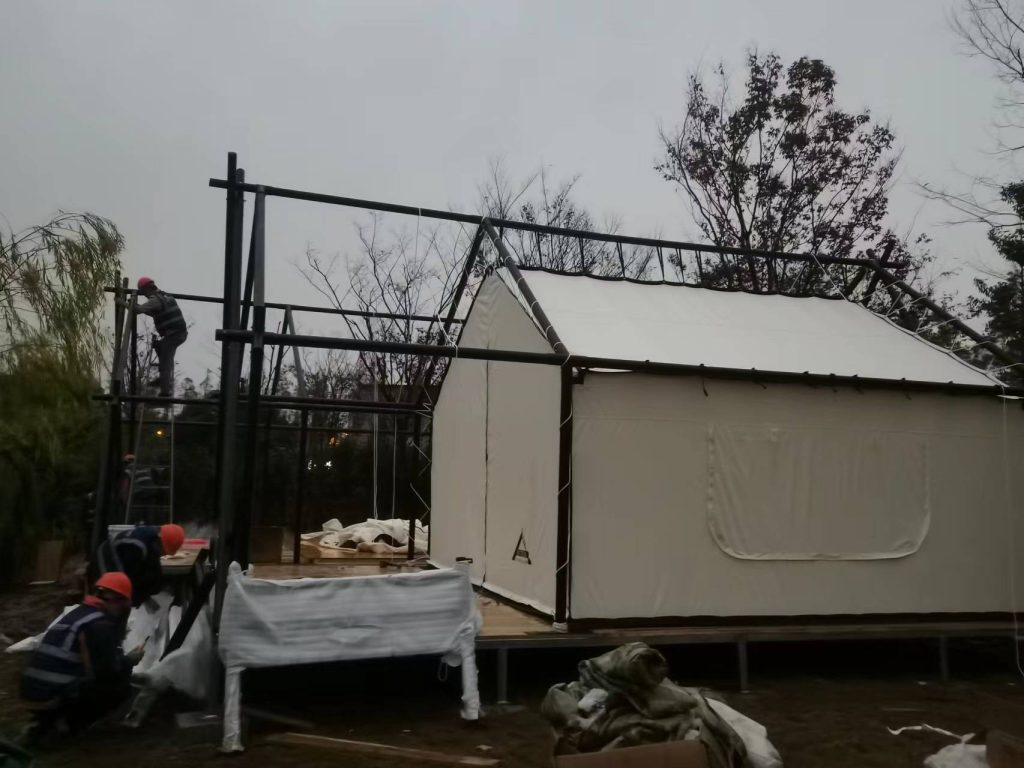
Key Factors That Affect Tent Lifespan
Frame Material – The Backbone of Your Tent
The frame determines how stable and longlasting your tent will be. Here are the most common options:
Wood – Offers natural beauty and low cost, but it is heavy and susceptible to moisture, rot, and insects. Even with protective coatings, wooden frames typically last only 5 to 10 years.
Steel – Strong and affordable, steel frames can withstand high winds and harsh weather. However, they are prone to rust in humid environments unless regularly treated. Average lifespan: 15 years.
Aluminum Alloy – Lightweight, rustresistant, and very strong. Aluminum frames are the premium choice for glamping tents. They offer excellent wind resistance and typically last 15 to 20 years or more.At KK Glamping, we recommend aluminum alloy frames for their balance of strength, weight, and durability.
Covering Material – The First Line of Defense
The outer fabric protects your tent from sun, rain, wind, and dirt.
Glass – Extremely durable and weatherresistant, but heavy. Requires a strong frame and offers a lifespan of 15+ years.
PVC or PVDF Coated Fabric – The most common choice for modern glamping tents. These fabrics are waterproof, UVresistant, and tearproof. With proper care, they last 10 to 15 years.
Cotton Canvas – Breathable and classic, but requires regular waterproofing and is more prone to mold. Lifespan: 5 to 10 years with good maintenance.
We use highdensity PVC tarpaulin in all KK Glamping tents because it offers the best protection against the elements while remaining easy to clean and maintain.
Tent Design and Structure
Different tent styles also affect longevity:
Safari Tents – Made with PVC roofs and steel or aluminum frames. Lifespan: 7 to 15 years. Ideal for tropical and subtropical climates.
Dome Tents – Geodesic designs with PVC or nylon covers. Lifespan: 5 to 15 years. Great for windy or mountainous areas.
Yurts – Traditional round tents with wooden frames and felt or synthetic covers. With care, they can last 10 to 20 years. Best for cold climates.Canvas Tents – Classic look, moderate durability. Lifespan: 5 to 15 years, depending on fabric quality and maintenance.
Environmental Factors
Where you place your tent matters a lot.
UV Exposure – Strong sunlight breaks down tent fabrics over time, causing fading and weakening.
Wind – Constant or strong winds put stress on the frame and connections.
Humidity and Rain – Moisture can lead to rust, mold, and fabric degradation.
Salt Air – Coastal areas accelerate corrosion of metal parts.To protect your tent, consider its environment and take extra measures like adding windbreaks, applying UV protectants, or choosing corrosionresistant materials.
Maintenance and Care
This is the single most important factor you can control. Even the best tent will fail early if neglected. Regular cleaning, timely repairs, and proper storage can add years to your tent’s life.
Practical Tips to Extend Your Tent’s Lifespan
Follow these simple steps to keep your glamping tent in excellent shape:
Clean regularly – Remove dirt, bird droppings, and stains with mild soap and water. Avoid harsh chemicals.
Inspect after use – Check for tears, loose seams, rust, or broken zippers. Fix small problems before they grow.
Weatherproof it – Apply seam sealant and use a groundsheet to protect the floor.
Ensure good airflow – Open windows and vents to prevent condensation and mold.
Store properly – Always dry the tent completely before storing. Keep it in a cool, dry, shaded place. Use a breathable storage bag.Set up and take down gently – Avoid forcing poles or stretching fabric. Follow the manufacturer’s instructions.
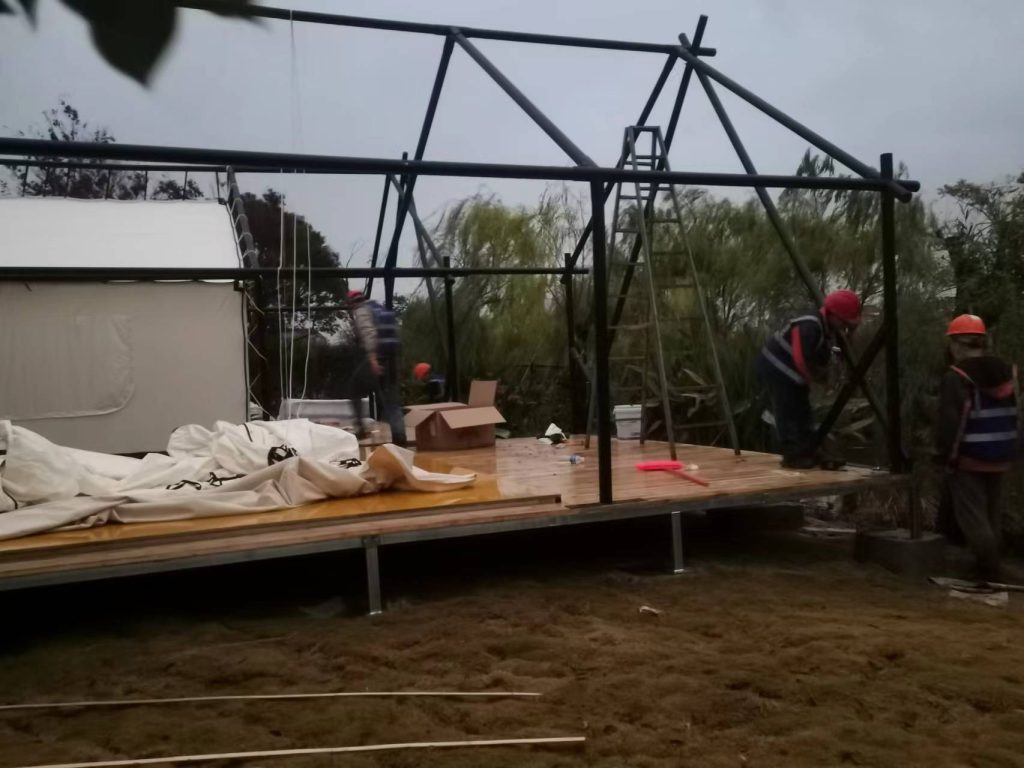
When Should You Replace Your Tent?
Even with great care, every tent eventually reaches the end of its life. Watch for these signs:
Widespread fabric wear or thinning
Bent, cracked, or severely rusted frame parts
Zippers, doors, or windows that no longer function properly
Persistent leaks that cannot be sealed
If you notice any of these, it may be time to invest in a new tent.
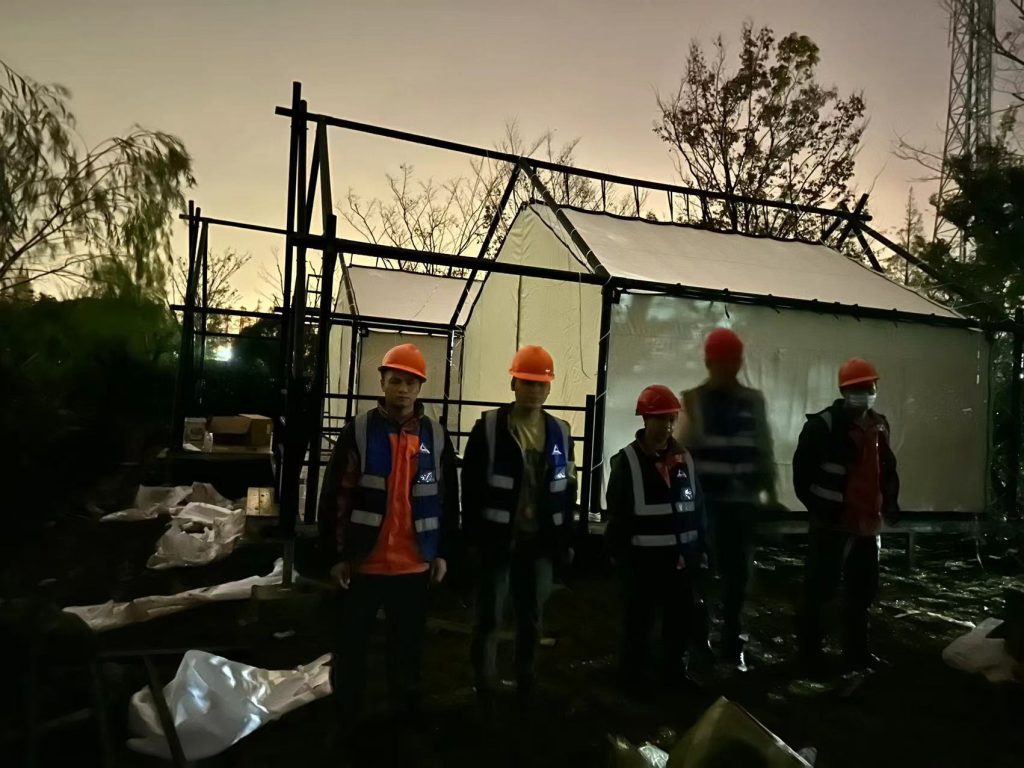
Why Choose KK Glamping?
At Kawagebo Kamp Glamping (KK Glamping), we build tents with longevity in mind. We use premium PVC tarpaulin, rustproof aluminum frames, and reinforced stitching. Every tent is tested against wind, rain, and UV exposure to ensure reliable performance year after year.
We also provide clear care instructions and ongoing support to help you protect your investment. Whether you need a safari tent, a dome tent, or a custom solution, KK Glamping delivers quality you can trust.
Conclusion
A wellbuilt glamping tent can last 10 to 15 years or more—but only if you choose the right materials and take good care of it. Pay attention to frame quality, fabric type, environmental conditions, and regular maintenance. These factors make all the difference.With Kawagebo Kamp Glamping (KK Glamping), you get more than just a tent. You get durability, comfort, and peace of mind. Ready to invest in a tent that stands the test of time? Contact us today and let’s build something lasting together.