Canvas Tents for Winter Camping: Why They’re the Ultimate Cold-Weather Shelter
Winter Camping Is Different
Let’s be honest. Winter camping is not for everyone.
The temperatures drop below freezing. The wind howls. Snow piles up. Daylight is short. And if you are not properly prepared, a winter camping trip can quickly turn from an adventure into a miserable experience.
But here is the thing – winter camping is also incredibly rewarding. The landscapes are stunning. The crowds are gone. There is a special kind of peace that comes with a snow-covered forest.
And with the right gear, winter camping can be just as comfortable as camping in any other season.
The most important piece of gear? Your tent.
So, what kind of tent should you choose for cold-weather camping? The best answer is a canvas winter tent.
In this guide, I will explain why canvas tents are the perfect choice for winter camping, what makes them special, and which models are worth your investment.
Why Canvas? – The Numbers Behind the Trend
The global camping tent market was valued at $3.5 billion in 2025 and is projected to reach $5.54 billion by 2032, growing at a CAGR of 6.79%. Within this, the four-season tent market is also expanding steadily, driven by growing demand for versatile outdoor solutions across both recreational and commercial sectors.More specifically, the global glamping market – which often uses high-end canvas tents
What Makes a Canvas Winter Tent Special?
Canvas winter tents are different from regular camping tents in several important ways. Here is why they are the best choice for cold-weather camping.
1. Superior Insulation – Stay Warm When It Matters Most
This is the number one reason to choose a canvas tent for winter camping.
Canvas is made from thick, dense fabric – usually cotton. This material is excellent at trapping heat inside the tent. When you are braving temperatures well below freezing, this insulation is what separates a comfortable night’s sleep from a night spent shivering.Think about it. In winter, staying warm is not just about comfort – it is about safety. Hypothermia is a real risk in extreme cold. A canvas winter tent serves as your primary defense against the biting cold.
2. Durability in Harsh Conditions
Winter weather is tough. Strong winds, heavy snowfall, and freezing rain can destroy a cheap tent in no time.
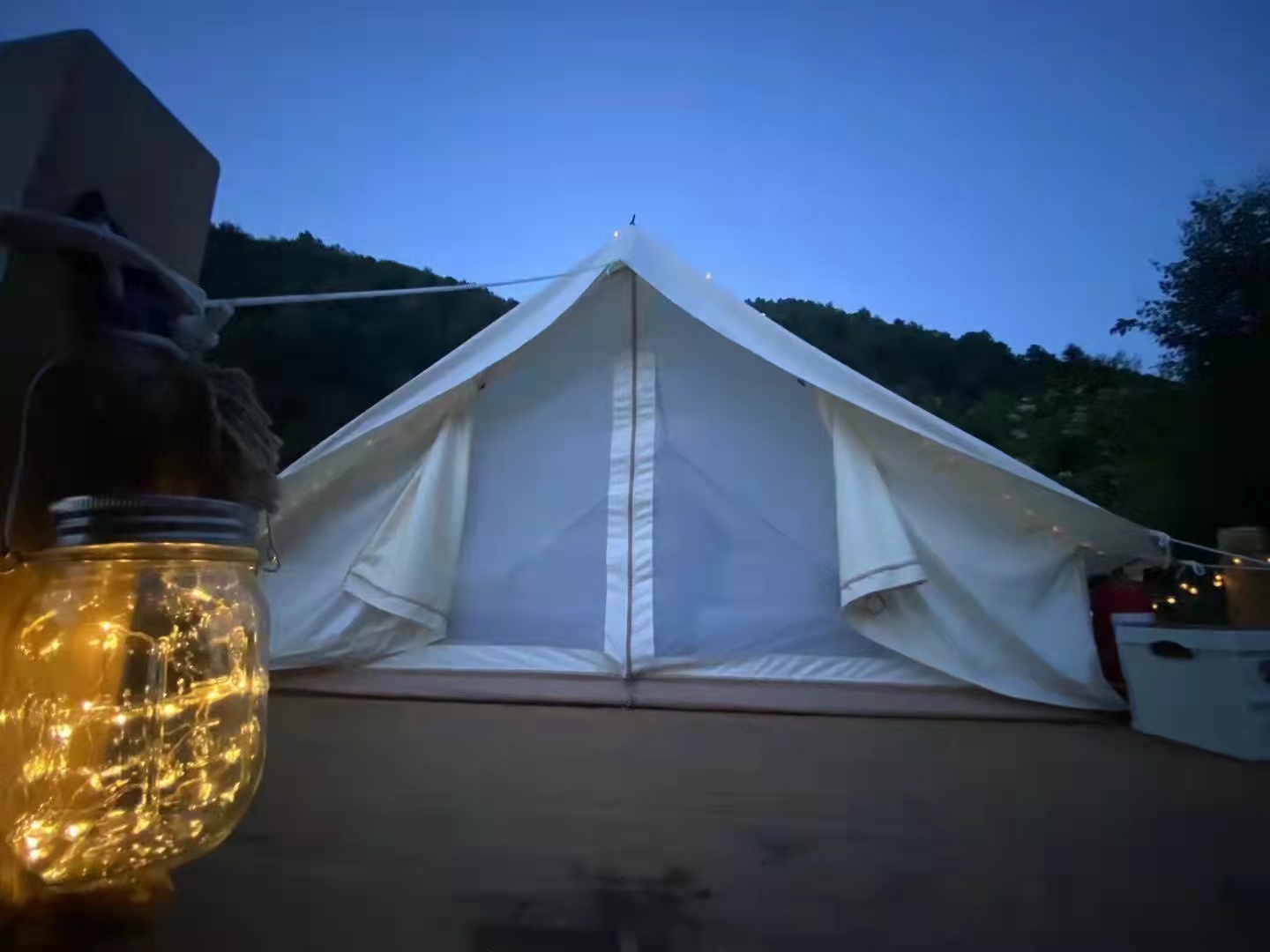
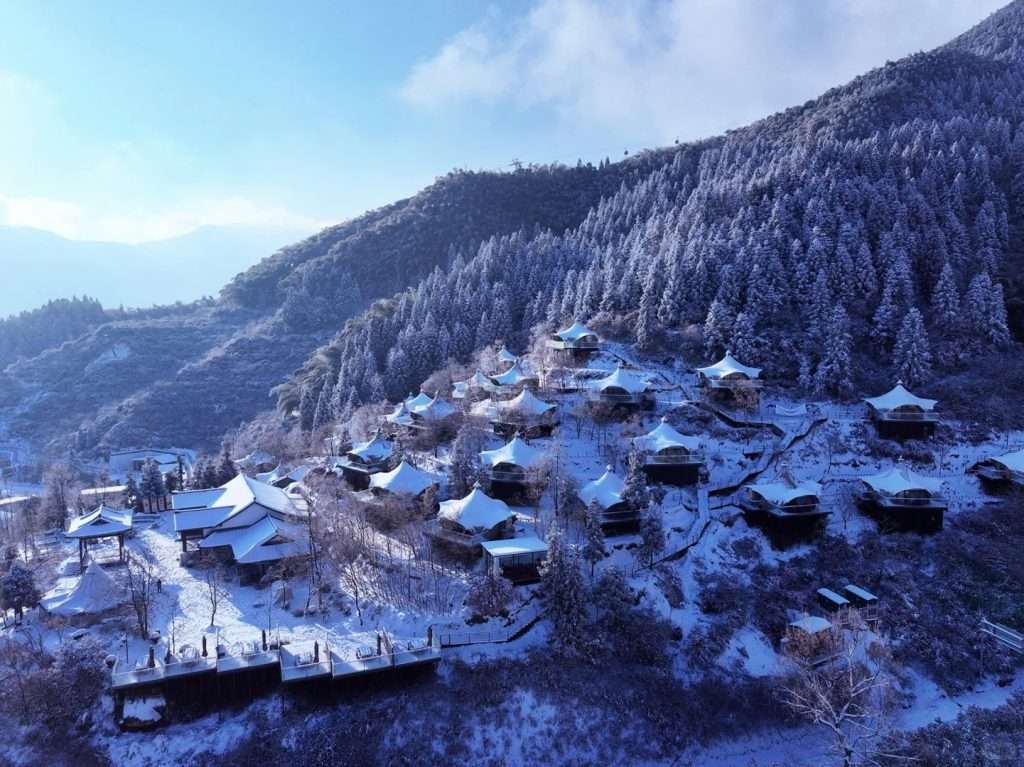
Canvas winter tents are built differently. They have a robust structure – often with a triangular design that sheds snow and wind. They are surrounded by strong ropes fixed securely to the ground. The heavy-duty canvas material is known for its ruggedness and tear resistance.
When the weather turns nasty, a canvas tent stands firm.
3. Spacious Interiors for Longer Stays
Winter days are short. In some places, daylight is only a few hours. This means you may spend more time inside your tent than you would in summer.
Canvas winter tents are designed with fairly straight walls and decent vertical height. This makes the interior feel spacious and comfortable. You have room to:
- Store all your winter gear
- Set up a small heater or stove
- Move around without feeling cramped- Even enjoy some indoor activities to pass the time
4. Stove Compatibility – Real Heat, Real Comfort
One of the best features of many modern canvas winter tents is that they are compatible with wood stoves.
A stove does more than just heat the tent. It allows you to cook meals, boil water for hot drinks, and dry wet clothes. It transforms your tent from a cold shelter into a warm, cozy home.
This is a game-changer for winter camping. With a stove, you can extend your camping season well into the coldest months.
5. Environmental Friendliness
Canvas tents are made primarily from natural cotton fiber. Unlike synthetic materials, cotton has a smaller environmental footprint and is biodegradable.
When you choose a canvas tent, you are making a choice to tread more lightly on the planet.
6. Cost-Effectiveness in the Long Run
Yes, canvas winter tents cost more upfront than cheap synthetic tents. But they are also more durable, easier to maintain, and last much longer.
The extreme tear and abrasion resistance of canvas means you can use the tent for many years without needing to replace it. Canvas is also easy to clean and maintain, reducing long-term costs.
Over time, a canvas winter tent is significantly more cost-effective.
What to Look for in a Canvas Winter Tent
Not all canvas tents are created equal. Here are the key features to look for when choosing a winter canvas tent.
Material Quality
Look for thick, high-quality canvas – typically 10 –12 oz per square yard. Heavier canvas provides better insulation and durability.
Double-Layer Design
Many premium canvas winter tents feature a double-layer design. The outer layer is waterproof, fire-resistant, and UV-protective. The inner lining adds extra insulation and comfort.
Stove Jack
If you plan to use a wood stove, make sure the tent has a pre-installed stove jack – a fireproof opening where the stovepipe exits the tent.
Wind Resistance
Winter winds can be fierce. Look for a tent with a strong frame (aluminum alloy or steel) and a design that sheds wind effectively.
Size
Consider how many people will use the tent and how much gear you need to store. A spacious interior makes winter camping much more comfortable.
Invest in a Canvas Winter Tent
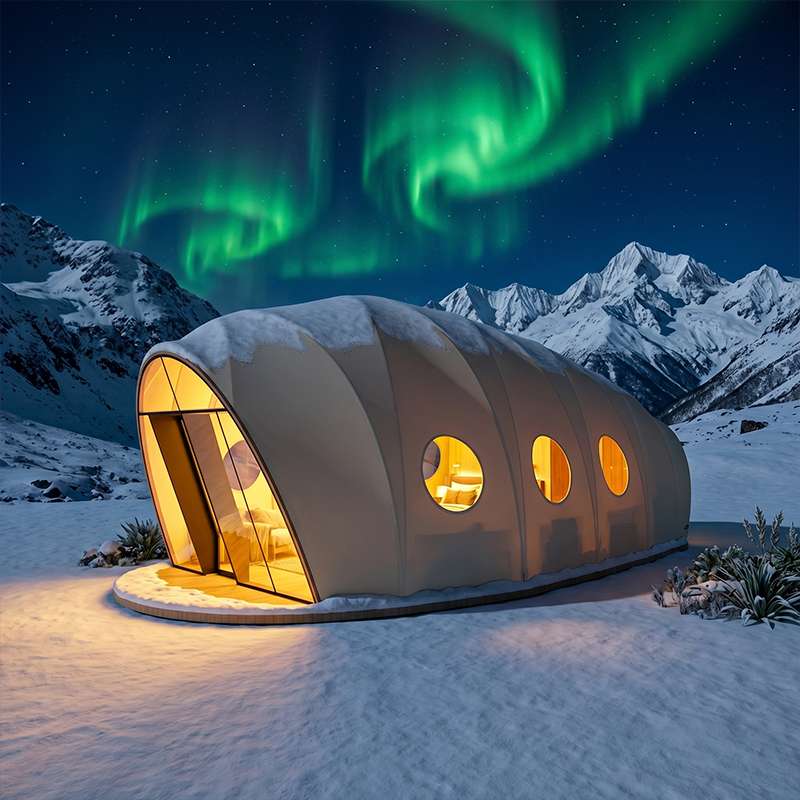
Winter camping is an adventure that demands preparation, resilience, and the right gear. A canvas winter tent is one of the best investments you can make.
With superior insulation, exceptional durability, spacious interiors, and stove compatibility, a canvas tent turns a cold-weather challenge into a warm, comfortable experience. And with the camping and glamping markets growing steadily, investing in quality canvas tents is a smart decision – whether for personal use or for a commercial operation.
KK Glamping offers a range of canvas winter tents designed for long-term use, catering to different needs and preferences. From the compact, there is a tent for every winter camper.
If you are ready to embrace winter camping in comfort and style, contact KK Glamping today.