
How to Plan Your Farm’s Unused Land for a Profitable Glamping Business
If you own a farm, you probably have land that isn’t pulling its weight. Maybe it’s a back pasture, a wooded corner, or a field that’s too small for crops. That unused land can become a real income source with glamping.
Glamping — short for glamorous camping — gives guests a taste of farm life without giving up a comfortable bed, hot shower, or reliable Wi-Fi. For farm owners, it’s a low-impact way to use land, create jobs, and bring in visitors who want something different from a hotel.
Here’s how to plan your farm’s unused land for a glamping business, step by step.
1. Walk the Land and Map What You Have
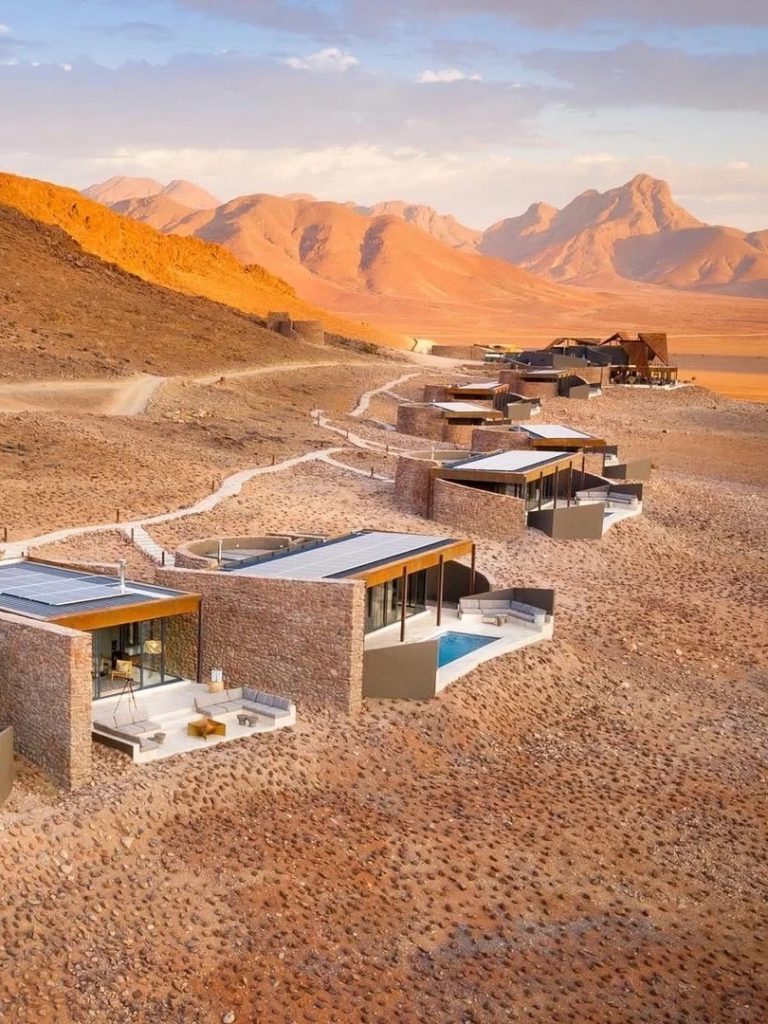
Before you buy a single tent, spend time on the land. Walk it in the morning, at sunset, and after a rain. Look for:
- Flat, well-drained spots for tent platforms
- Good views — trees, water, hills, open sky
- Shade and windbreaks
- Easy access from a road or driveway
- Existing power, water, or buildings you can use
- Cell signal and internet options
- Flood zones, wet spots, and steep slopes
Take photos and draw a simple map. Mark your top three to five spots for tents. The best glamping sites feel private, safe, and close to nature — but not too far from a bathroom or parking.
2. Check Zoning, Permits, and Insurance First
This is the step most people skip. Don’t. Call your county planning or zoning office before you spend money.
Ask these questions:
- Is agritourism allowed on my land?
- Do I need a conditional use permit for a campground or tent site?
- How many tents or guests can I have?
- What are the rules for septic, wells, and greywater?
- Do I need fire inspections or ADA access?
- What insurance do I need for guests on my farm?
Every state and county is different. A quick call can save you thousands of dollars and months of delays. Once you know the rules, you can design a site that works.
3. Pick Your Guest and Price Point
Your glamping business needs a clear guest in mind. Most successful farm glamping sites are within a one- to two-hour drive of a city.
Common guest types:
- Couples looking for a romantic weekend
- Families who want a safe outdoor adventure
- Remote workers who need a quiet break
- Wedding parties and small events
- Travelers passing through the area
Study other glamping sites nearby. What do they charge? What nights are booked? What do guests complain about? In the U.S., farm glamping rates often range from $150 to $350 per night, and higher for luxury setups.
4. Design a Layout That Guests Love
Good layout makes a small site feel private and easy to manage. Plan for:
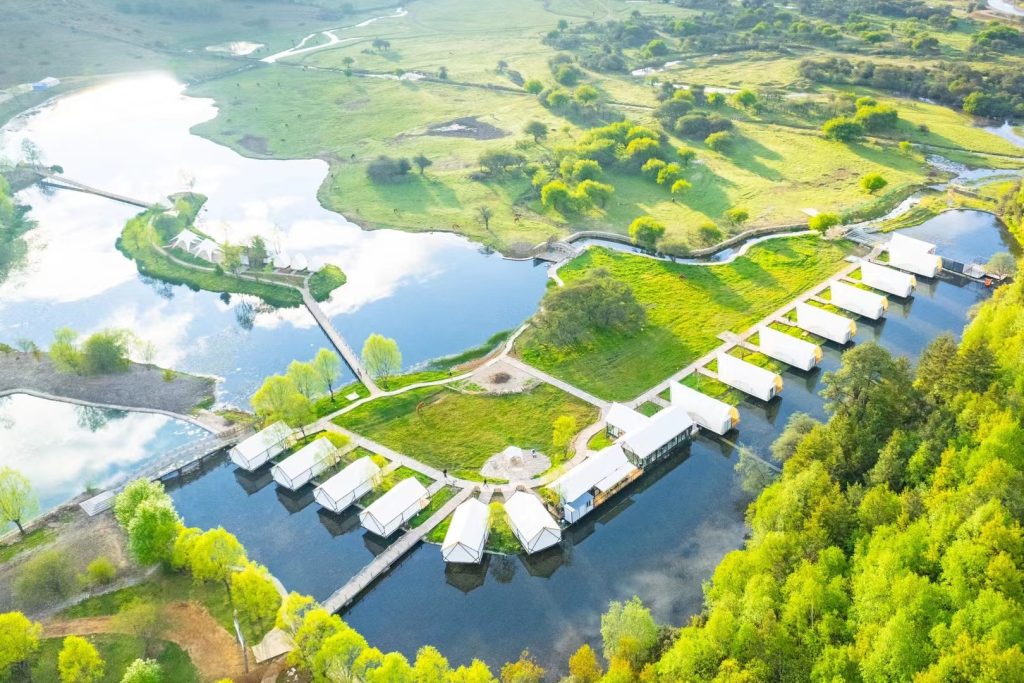
Tent spacing — 50 to 100 feet apart is a good start
- Parking that keeps cars out of the view
- A shared bathhouse or private bathrooms
- A central fire pit or gathering area
- Clear paths and soft lighting
- Noise buffers between sites
Start with three to five tents. You can always add more later. A smaller site is easier to run, clean, and fill.
5. Choose the Right Glamping Tent for Your Climate and Brand
Not all tents are built for four-season use. For a farm glamping business, look for:
- Heavy-duty galvanized steel frames
- Waterproof, flame-retardant covers like PVDF
- Insulated walls or inner liners
- Strong wind ratings
- Room for real beds, bathrooms, and air conditioning
Safari tents and lodge tents are popular for farms because they feel spacious and look great in photos. Domes and tipis work well for unique stays.
This is where KK Glamping can help. We build custom safari tents, lodge tents, and event tents for farm and resort owners. Our tents are made for year-round use, and we offer factory-direct pricing, custom layouts, and full support from design to delivery.
6. Plan Utilities and Infrastructure
Guests expect hot water, power, and a clean bathroom. Plan for:
Power: Extension from an existing building, solar, or a generator
Water: Well, holding tank, or city water with filtration
Sewage: Septic, composting toilets, or a bathhouse system
Wi-Fi: Starlink or a strong rural provider
Heat and AC: Propane, electric, or mini-split systems
Backup: Extra water, batteries, and a plan for storms
These costs add up, so build in phases. Start with a simple, clean bathhouse and add private bathrooms later.
7. Build the Farm Experience
Guests don’t just pay for a tent. They pay for a story. Use your farm to create memories:
Farm tours and animal visits
U-pick flowers or produce
Hayrides and wagon rides
Farm-to-table breakfast baskets
S’mores by the fire
Stargazing
Photo spots
Local wine, beer, or cider tastings
Add-ons like breakfast, firewood, and late checkout can increase your revenue without adding more tents.
8. Run the Numbers
Here’s a simple example. Your land is already owned, so your main costs are tents, platforms, bathrooms, permits, and marketing.
5 luxury tents (3 double tents, 2 family tents)
Average nightly rate: $200
Occupancy: 70%
Open to the public from June to October each year.
5 x $200 x 70% x 150 = **$105,000 per year**
Now subtract expenses: cleaning, utilities, insurance, marketing, repairs, and management. Many farm glamping sites see a profit within two to four years. Your numbers will depend on your market, your setup, and how well you market.
9. Market Your Glamping Site
You don’t need a huge ad budget. Start with:
A Google Business Profile
Instagram and TikTok with real photos and short videos
Listings on Airbnb, Hipcamp, and Glamping Hub
Your local tourism or visitors bureau
A simple website with booking and SEO blog posts
Reviews from your first guests
Good photos of your tents, farm, and sunsets will do more than any ad.
10. Start Small, Learn, and Scale
The best farm glamping owners start small. Open two or three tents. Listen to guests. Fix what’s annoying. Then add more tents, a bathhouse, or a event space.
Keep the farm feel. Guests want real land, real animals, and real quiet. You’re not building a hotel. You’re sharing your farm in a comfortable way.
Quick Planning Checklist
Walk and map your land
Call zoning, health, and insurance
Pick your guest and price
Design a private, simple layout
Choose four-season tents
Plan power, water, and bathrooms
Build farm experiences
Run your numbers
Market online
Start small and grow
Conclusion
Your unused farm land can become a profitable glamping site. The key is to plan before you buy. Check the rules, design for guests, and choose tents that last. With the right plan, your back pasture can bring in steady income and introduce people to farm life.
Ready to plan your glamping site? Contact KK Glamping for custom safari tents, lodge tents, and a factory-direct quote built for farm owners.