
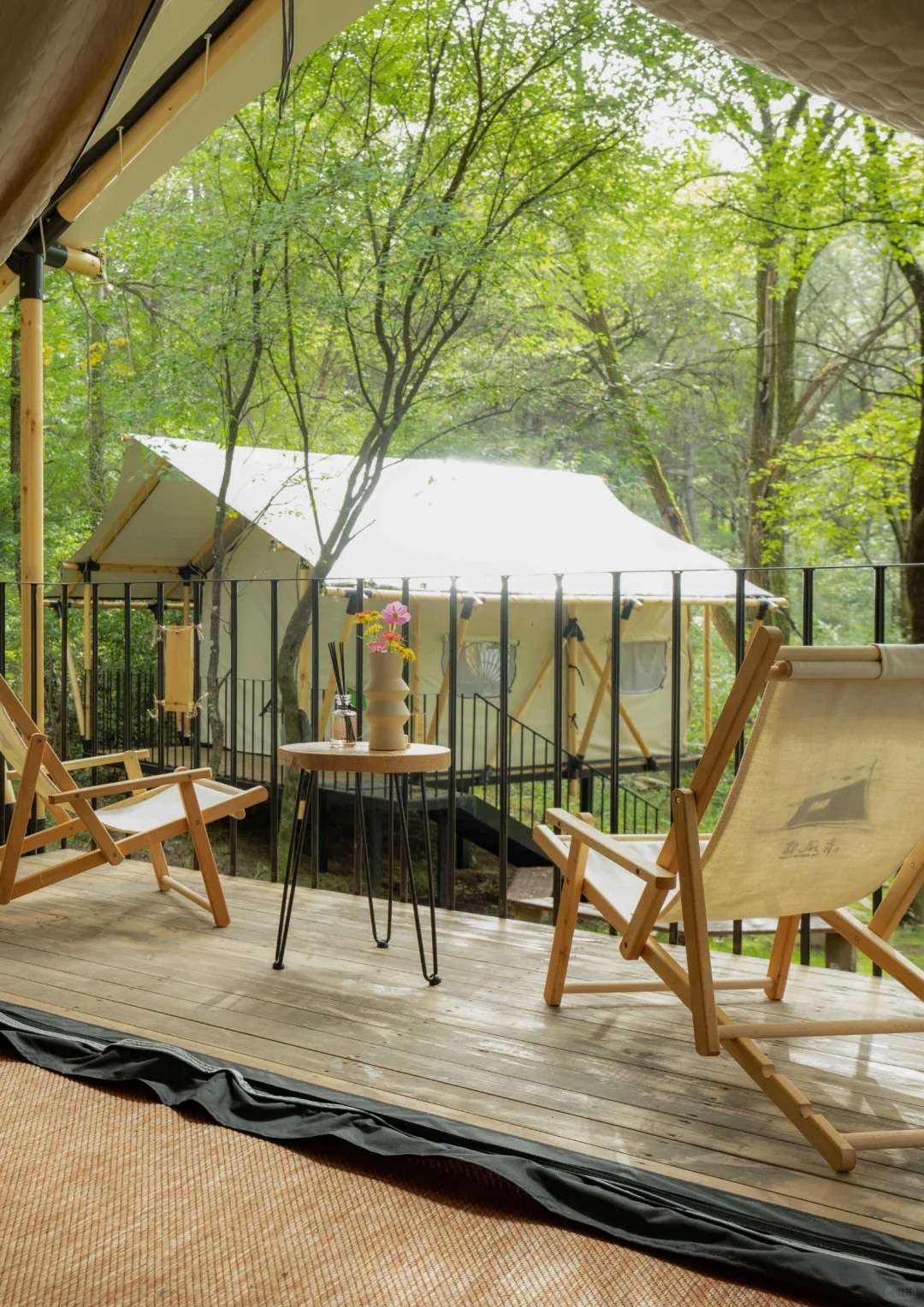
Hotel or Resort: Which Hospitality Investment Is Right for You?
Two Different Business Models, One Big Decision
If you are thinking about investing in the hospitality industry, you have probably asked yourself: should I build a hotel or a resort?
At first glance, they seem similar. Both provide accommodation. Both serve food. Both want guests to have a good stay.
But the truth is, hotels and resorts are very different businesses. They attract different types of guests. They use different strategies. And most importantly, their return models are not the same.
Making the wrong choice could cost you years of effort and money.
Let me share a real number to help you think about this market. According to global hospitality report, the resort and glamping sector is growing at over 11% annually, much faster than the traditional hotel segment in many regions. Travelers are looking for experiences, not just a place to sleep.So which one is right for you? Let’s break down the difference between hotel and resort – from target audience to profit potential.
What Is a Resort? More Than Just a Place to Sleep
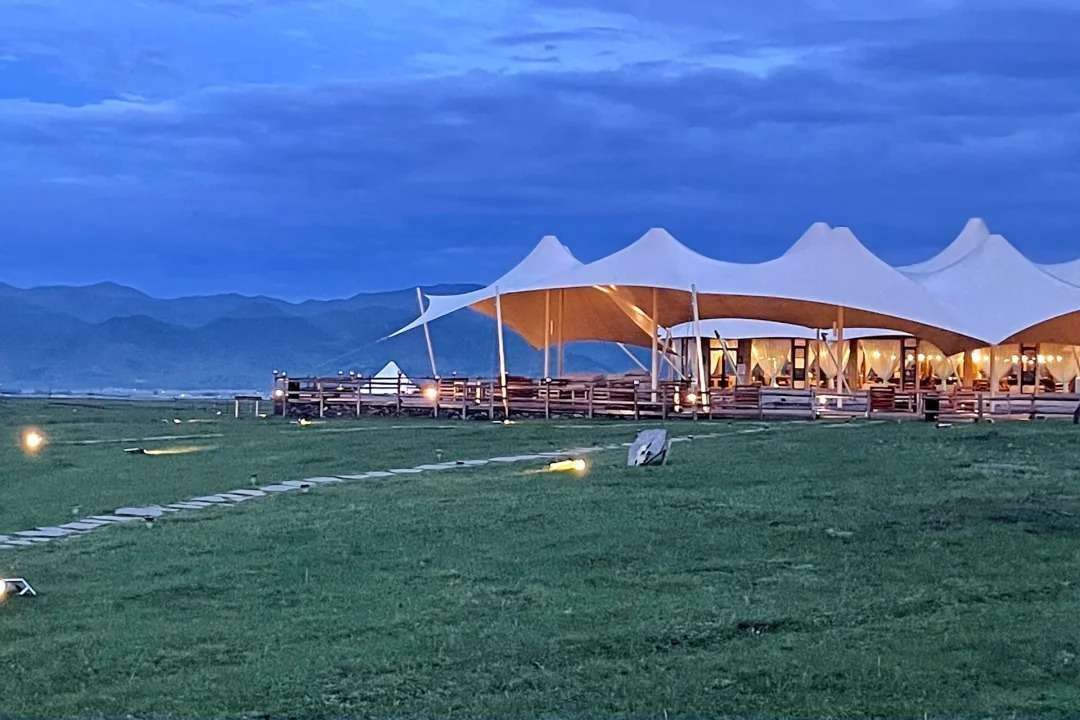
A resort is not just accommodation. It is often a destination in itself. Guests come to a resort and stay there for most of their trip. They do not need to leave to find food, fun, or relaxation.
Most resorts have a specific theme: hot springs, water parks, beach activities, rural tourism, or mountain views. That is why resorts are usually located in suburban or rural areas – they need natural beauty and plenty of space.
Inside a well-designed resort, guests can find:
– Restaurants and bars
– Sports facilities (golf, tennis, swimming)
– Spa and wellness centers
– Entertainment areas for families or groups
– Shops selling local productsPeople go to resorts to escape the city, forget daily stress, and fully relax. They stay for weekends or full vacations – not just one night.
What Is a Hotel? Convenience and Short Stays
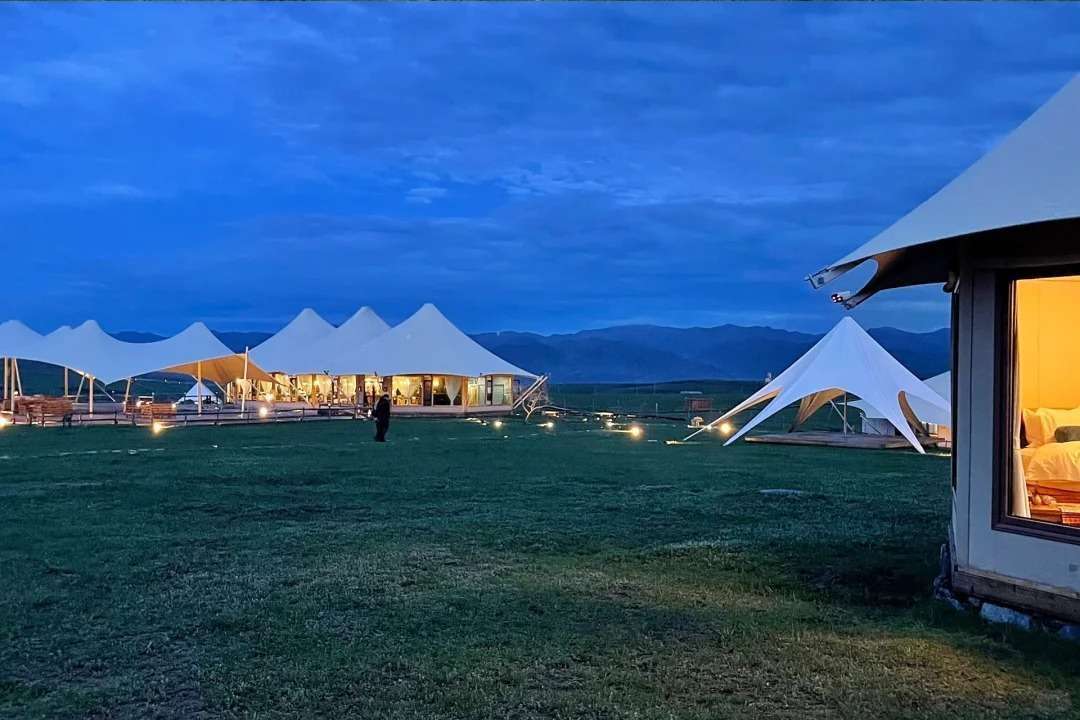
A hotel is first and foremost a place to stay overnight. Of course, many hotels now offer extra services: gyms, buffets, cafes, hot springs, and more. But those are add-ons.
The key difference is why guests choose a hotel.
Most hotel guests are passing through. They rest for a night and then continue to their real destination – a business meeting, a tourist attraction, a family visit. That is why location matters so much for hotels. Guests want to be close to highway exits, train stations, airports, or city centers. Hotels can be found almost anywhere – in cities, suburbs, or near attractions. But if guests want to do something fun or go shopping, they usually have to leave the hotel.
The Key Differences Between Hotel and Resort – A Side-by-Side Comparison
Let me walk you through the four most important differences. Understanding these will help you decide where to put your money.
- Target Audience
Hotels serve a broad audience. Business travelers, solo tourists, school groups, and travel tours all stay in hotels. Their stays are usually short – one to three nights.Resorts target groups – families, corporate teams, friend groups, or club members. These guests plan to stay longer, often a full weekend or an entire vacation week. They want shared activities and shared memories.
- Business Strategy
Hotels focus on service quality – faster check-in, better room service, more food choices, comfortable gyms. They try to impress guests through small, daily improvements.Resorts focus on the overall experience. They invest in group facilities: badminton courts, golf courses, barbecue areas, swimming pools, and event spaces. The goal is to keep guests inside the resort and make their stay unforgettable.
- Return Model – How You Make Money
This is where the biggest difference appears.
Hotels generally have lower operating costs (unless they are luxury hotels). They make money by:
– Charging room rates (dynamic pricing based on demand)
– Partnering with travel groups for steady bookings
– Selling food and basic services
But the income sources are relatively single. Once guests leave the hotel, you stop earning from them.
Resorts have higher operating costs because they offer more facilities. But they also have diversified income streams:
– Accommodation fees
– Restaurant and bar sales
– Sports and entertainment fees
– Spa and beauty services
– Souvenir and local product sales
A good resort can earn much more per guest than a hotel. But it also requires a larger upfront investment.
- Marketing and Brand Building
Hotels market themselves using words like convenience, comfort, affordability, and location. Promotions like “limited-time discounts” or “monthly specials” work well.Resorts market experiences, nature, luxury, and group fun. You can create a family sports event, a weekend music festival, or an all-inclusive experience package. The more guests participate, the stronger their emotional connection to your brand.
A Real Number That Shows the Opportunity
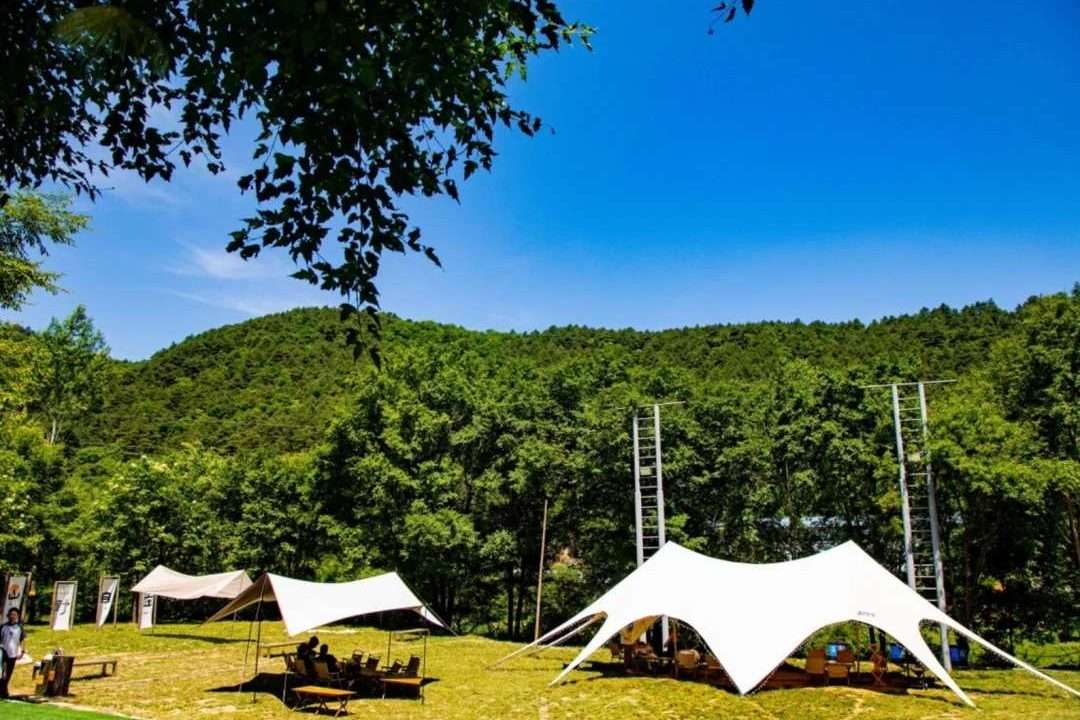
According to a report by the Global Wellness Tourism Association, resort-style accommodations with nature-based activities have seen a 15% higher guest satisfaction score than traditional city hotels. Travelers are willing to pay 20–30% more per night for a resort that offers a complete experience – not just a bed.For investors, this means: if you build a resort with strong themes, outdoor facilities, and natural beauty, you can charge premium prices and attract loyal customers.
Real Project Example – Monet Garden Resort by KK Glamping
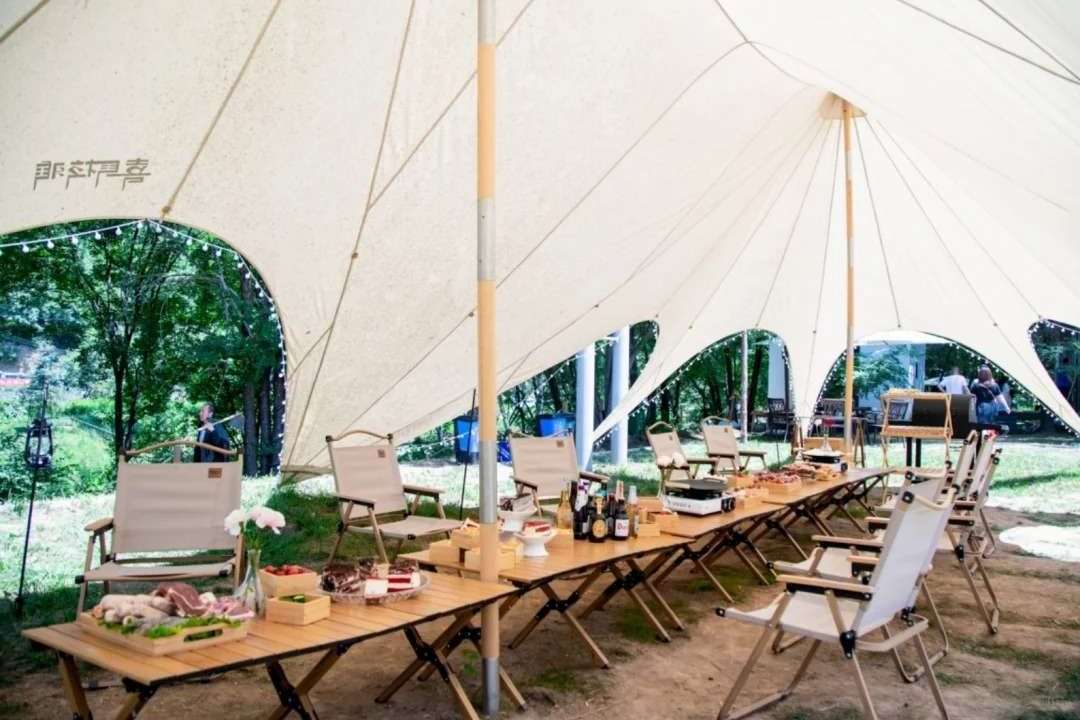
Let me give you a real example of a successful resort project. In October 2021, KK Glamping completed the Ecological Design Town – Monet Garden Resort in Guizhou Province, China.
Location highlights:
– Only 500 meters from Xijiang Qianhu Miao Village – a famous cultural attraction
– Located in a mountainous area near rivers, with beautiful natural views
– Surrounded by 20 acres of tea plantation fields
Project details:
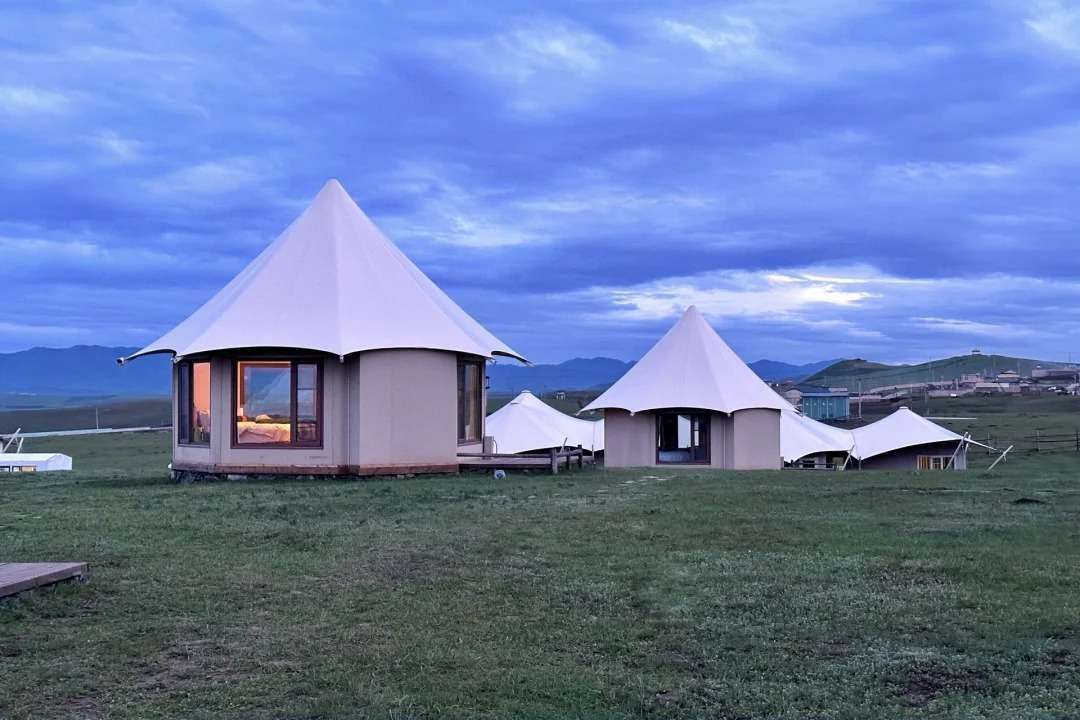
– 14 sets of three-peak luxury lodge tents
– Each tent has over 100 square meters of internal usable space – very spacious
– The tent design looks like mountain peaks, blending perfectly with the scenery
– Frame made of Q235 steel – strong and durable
– Outer fabric: 1050g/m² PVDF tensile membrane and 850g/m² PVC fabricThis project shows how a well-designed resort can attract guests who want both nature and comfort. Visitors can experience Miao culture, enjoy tea plantations, and stay in luxurious tents – all without leaving the resort.
Which One Should You Choose – Hotel or Resort?
Now that you understand the difference between hotel and resort, here is my honest advice.
Choose a hotel if:
– You have a smaller budget
– Your location is in a city or near a transport hub
– You want a simpler business model with lower risk
– Your guests will only stay 1–2 nights
Choose a resort if:
– You have access to land with natural beauty (mountains, lakes, forests, beaches)
– You can invest more upfront for higher long-term returns
– You want to offer experiences, not just rooms
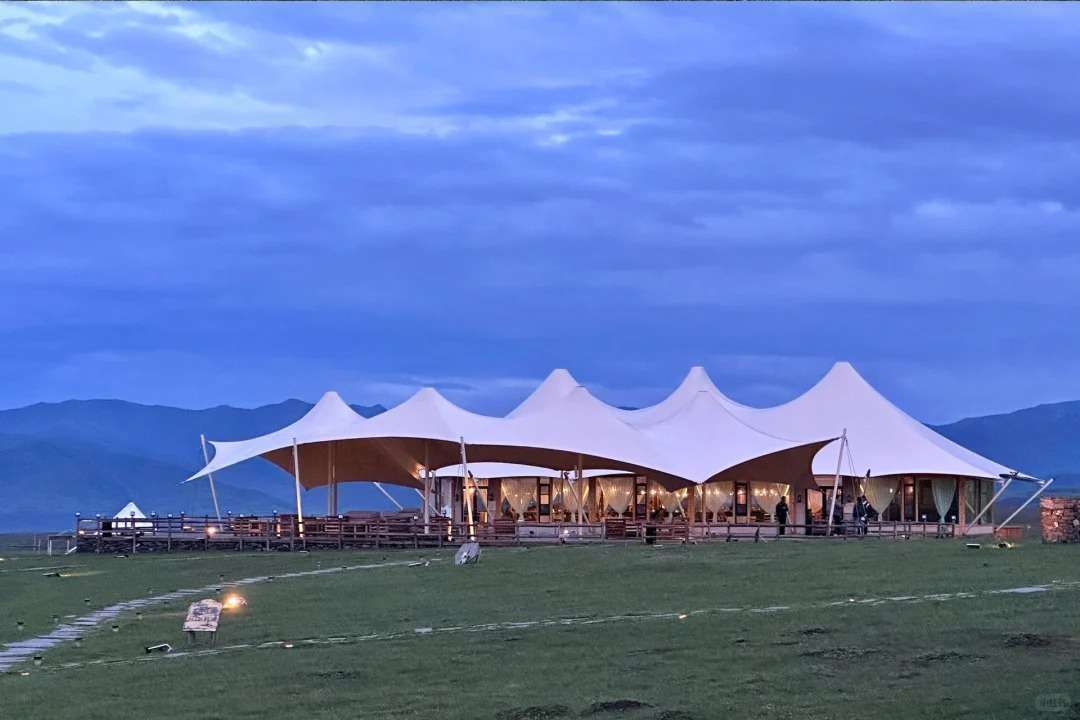
– You are targeting families, groups, or luxury travelersFor most of our clients at KK Glamping, a resort or glamping site makes more sense – because the demand for experience-based travel is growing fast.
Make a Clear Choice and Build Your Brand
Whether you pick a hotel or a resort, one thing is certain: clear brand positioning and a strong value proposition are the keys to winning the market.
Set long-term goals. Understand your target audience. And choose the business model that fits your land, your budget, and your vision.If you are interested in building a luxury resort with glamping tents, contact KK Glamping. Our professional team can help you with initial planning, tent selection, and project design. We have done it successfully – like at Monet Garden Resort – and we can help you do it too.