
Why Tent Care Matters
A glamping tent is a big investment. Whether you run a resort, own a campsite, or just love outdoor living, you want your tent to last as long as possible. Highquality safari tents can serve you well for 15 years or more—but only if you take proper care of them.
At Kawagebo Kamp Glamping (KK Glamping), we build our tents with durable materials like PVC tarpaulin and strong aluminum frames. However, even the best tent needs regular attention to stay in top condition. In this guide, we share simple, practical tips to help you extend your tent’s lifespan, save money on repairs, and keep your guests or family comfortable and safe.
- 1. Clean Your Tent Regularly
Dirt, dust, and bird droppings can damage tent fabric over time. Regular cleaning removes these harmful particles and keeps the material looking fresh.
Use a soft brush or sponge with mild soap and warm water.
Avoid harsh detergents or bleach—they can weaken the waterproof coating.
Rinse thoroughly and let the tent dry completely before packing it away.
Always check the manufacturer’s cleaning instructions. At KK Glamping, we provide clear care guides with every tent we sell.
- 2. Inspect and Repair Small Issues Early
Small problems can become big ones if ignored. Make it a habit to check your tent after each use.
Look for:
Tiny tears or holes in the fabric
Loose seams or stitching
Broken or stiff zippers
Rust or bent parts on the frame
Fix minor damage right away with repair tape or a patch kit. For bigger issues, contact your supplier for professional advice. Prompt repairs prevent water leaks and structural weakness.
- 3. Weatherproof Your Tent for All Seasons
Your tent faces sun, rain, wind, and sometimes snow. Good weatherproofing is essential.
Apply seam sealer to all stitching lines—this stops water from seeping through.
Use a rainfly or extra cover during heavy rain.
Place a sturdy groundsheet under the tent to protect the floor from sharp rocks and damp soil.
Add extra guylines and storm pegs in windy areas to keep the tent stable.
KK Glamping tents come with highquality waterproof materials, but adding these extra layers gives you even more protection.
- 4. Keep Air Flowing Inside
Tents made from PVC or similar fabrics do not “breathe” like cotton. Without good airflow, moisture builds up inside, leading to mold, mildew, and unpleasant smells.
Open windows, vents, and mesh panels during the day.
Use solarpowered fans if the tent has no natural crossventilation.
Avoid drying wet clothes or towels inside the tent.
Good ventilation keeps the interior fresh and protects the fabric from damprelated damage.
- 5. Set Up and Take Down with Care
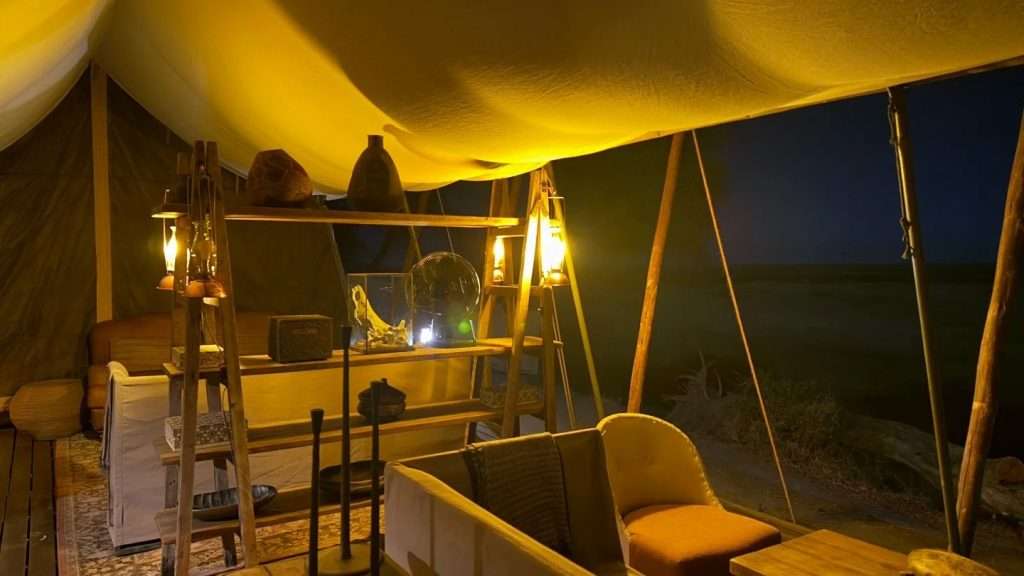
Rushing through setup or takedown can stress the fabric and frame.
Lay the tent flat on soft ground before assembling.
Do not pull or stretch the fabric too hard.
Insert poles gently—never force them into place.
When taking down, fold the tent loosely to avoid creases in the same spots.
Following these steps reduces wear and tear, especially on zippers and seams.
- 6. Store Your Tent Properly
How you store your tent during the offseason is just as important as how you use it.
Choose a cool, dry, and shaded place.
Avoid basements or attics with extreme heat or humidity.
Never store the tent while it is still damp—this causes rot and mildew.
Use a breathable storage bag, not a plastic one, to allow air circulation.
At KK Glamping, we recommend storing the tent loosely rolled, not tightly folded, to prevent permanent creases.
- 7. Use Protective Groundsheets
Even if your tent has a builtin floor, adding a separate groundsheet underneath is a smart move. It acts as a barrier against:
Sharp stones and twigs
Moisture from the ground
Abrasion from foot traffic
A good groundsheet also makes cleaning easier—just shake it off and wipe it down.
Bonus: Choose Quality from the Start
The best way to extend your tent’s life is to buy a wellmade tent in the first place. KK Glamping tents are built with:
Heavyduty PVC tarpaulin (waterproof and UVresistant)
Rustproof aluminum or steel frames
Reinforced stitching and heavyduty zippers
With proper care, our tents stay strong and beautiful for over a decade.
Taking care of your glamping tent does not require special skills — just consistent attention and a few simple habits. Clean it, inspect it, protect it from weather, and store it wisely. These steps will save you money, reduce stress, and ensure that every guest (or family member) enjoys a safe, comfortable stay.
At Kawagebo Kamp Glamping (KK Glamping), we are committed to helping you get the most out of your investment. Follow our care tips, and your tent will reward you with years of unforgettable outdoor experiences.