Tent Platforms: Why This Foundation Is Critical for Your Glamping Business
The Most Overlooked Part of Glamping
Let me ask you something.
When you picture a luxury glamping site, what do you see? Beautiful tents, soft lighting, cozy furniture, stunning views, right?
But here is the thing. None of that works without a solid foundation beneath it. I am talking about the tent platform .
The tent platform is the unsung hero of glamping.
- It is the part that guests rarely notice – but they would definitely notice if it were missing.
- It is what keeps the tent stable, dry, and comfortable.
- It is what allows you to place proper furniture inside.
- It is what makes glamping feel like a real hotel experience instead of just a slightly nicer camping trip.
Glamping – that blend of glamour and camping – has grown into a massive industry. According to Grand View Research, the global glamping market was valued at $3.8 billion in 2025 and is projected to reach $7.9 billion by 2033 . That is more than double in less than a decade.
And here is something else. The RMS 2025 State of Outdoor Hospitality Report found that glamping now accounts for 29% of first-choice accommodations among US campers – equal to traditional tents and up five points from 2024. More than a quarter of campers now prefer glamping.
But with more people choosing glamping, the competition is getting tougher. To stand out, you need to get the details right. And the foundation – your tent platform – is one of the most important details.
In this guide, I will explain what tent platforms are, why they matter, the different types available, and how to choose the right one for your glamping site.
What Exactly Is a Tent Platform?
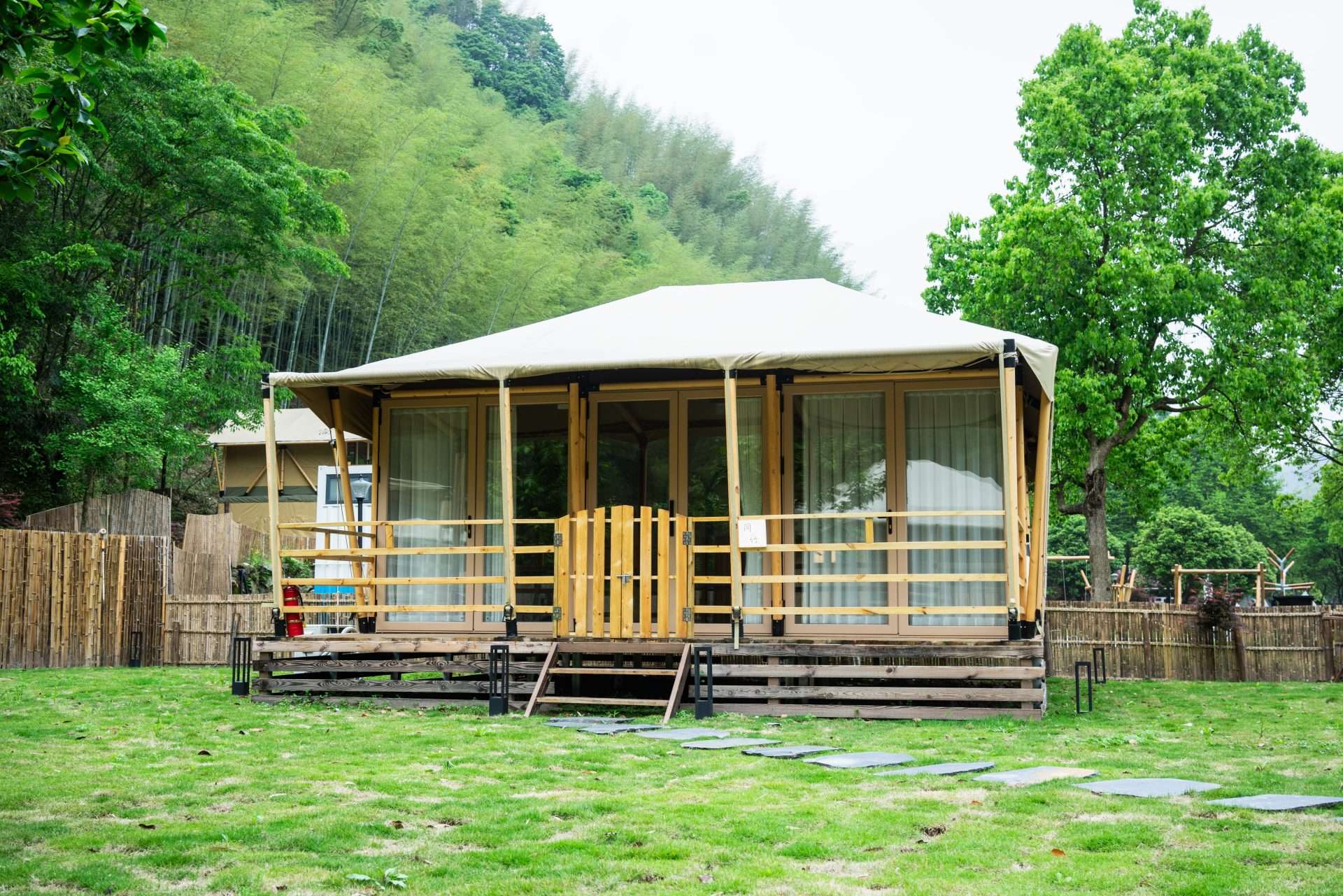
A tent platform is exactly what it sounds like – a raised, flat surface that you place your tent on.
But it is much more than just a piece of wood or metal. It is the structural foundation that supports your entire glamping setup.
Think of it like this. You would not build a house without a proper foundation. Why would you set up a luxury tent without one?
A good tent platform does several things:
- Lifts the tent off the ground: This keeps the interior dry and clean.
- Provides a flat surface: This makes it possible to place beds, furniture, and rugs inside.
- Protects against moisture and insects: Without a platform, dampness and bugs can get into your tent.
- Extends the life of your tent: Keeping your tent off the ground reduces wear and tear.
- Creates a more premium feel: A solid floor underfoot makes the whole experience feel more like a hotel room.
Why Tent Platforms Are Essential for Glamping
Let me share some real numbers that show why this matters.
A 2025 survey of glamping guests found that 82% of respondents said that a solid, level floor inside the tent significantly improved their comfort level. That is a huge number. When people pay for luxury, they expect a comfortable surface to walk and sleep on.
Here are the main reasons why a tent platform is essential for any serious glamping operation.
1. Comfort and Livability
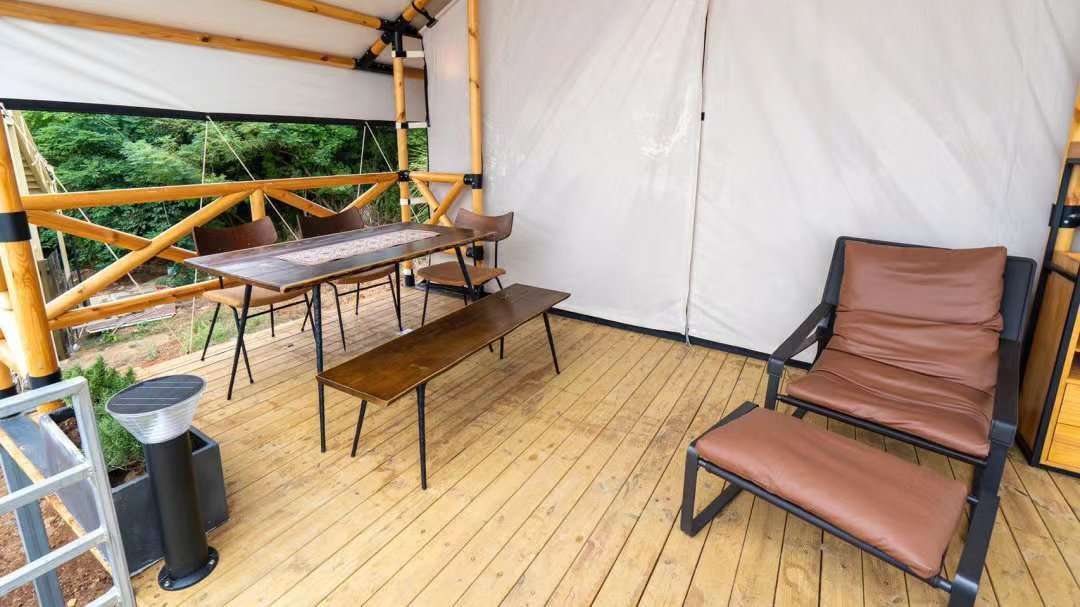
Guests come to glamping expecting comfort. They want to walk around in their socks or bare feet without stepping on rocks, mud, or damp grass.
A raised platform lets you install proper flooring, place real furniture, and create a space that feels like a room – not just a tent. You can put down carpets, set up a proper bed, and arrange seating without worrying about uneven ground.
2. Protection from the Elements
The ground is wet, even when it hasn’t rained for days. Moisture from the soil can seep into your tent, making the interior damp and uncomfortable.
A platform lifts your tent above this moisture. It also keeps out crawling insects and small animals that might otherwise find their way inside.
3. Extended Tent Lifespan
Tents are an investment. And like any investment, you want them to last.
When a tent is placed directly on the ground, the constant contact with soil, moisture, and sharp objects causes wear. The floor can get damaged, the fabric can start to rot, and the whole tent will need replacing sooner.
A platform extends the life of your tent significantly. With a proper foundation, your tent can last for years without showing signs of ground-related damage.
4. A More Premium Guest Experience
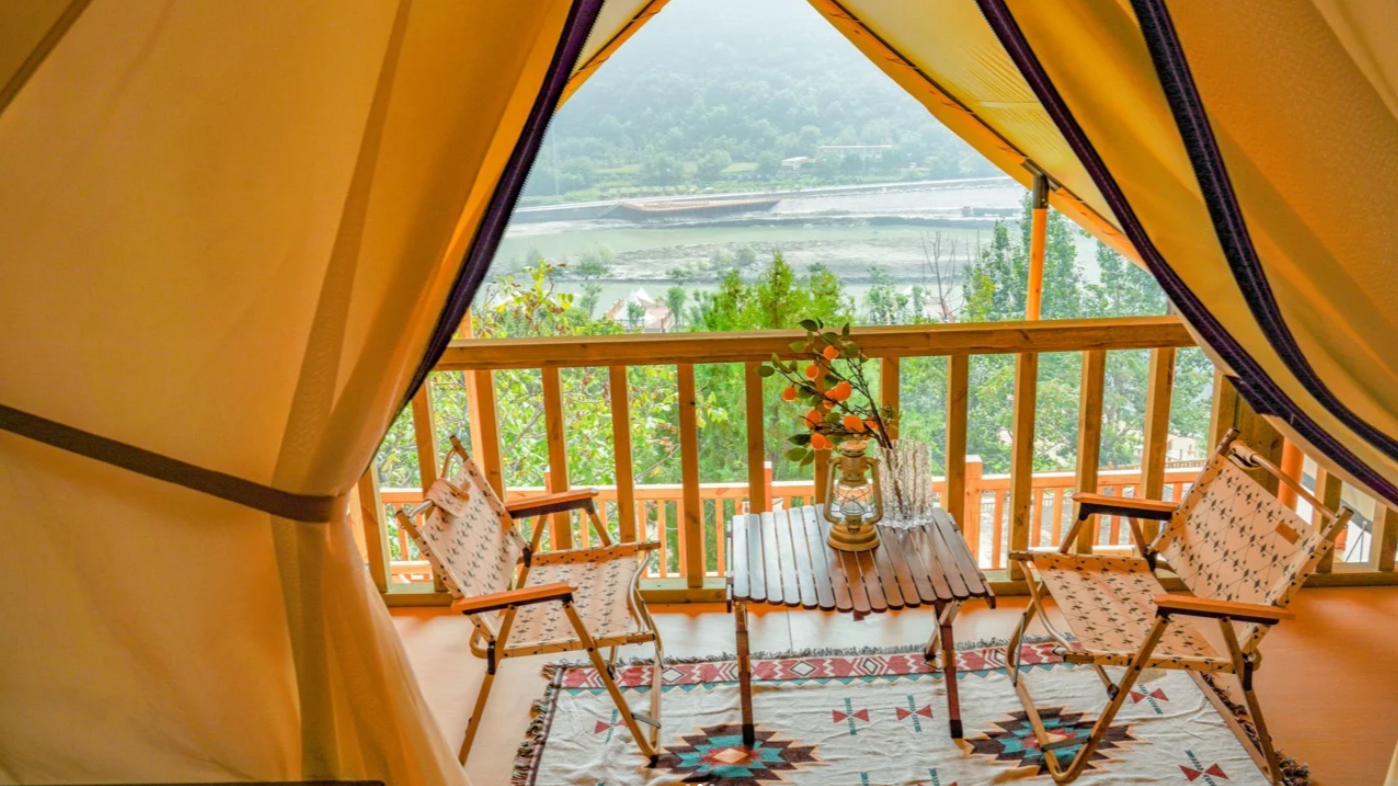
Let us be honest – there is a huge difference between stepping onto a wooden deck and stepping onto bare ground.The feeling of a solid, level floor underfoot immediately changes how guests perceive their stay. It feels more luxurious, more secure, and more carefully planned. It elevates the entire experience from “camping” to “glamping.”
5. Flexibility in Location
With a platform, you are not limited to perfectly flat, dry ground.
You can set up glamping sites in more challenging locations – gentle slopes, areas with less-than-perfect soil, or places that would otherwise be unsuitable. This opens up more possibilities for unique, scenic sites that stand out from the competition.
Types of Tent Platforms – Which One Is Right for You?
There are several types of platforms available. Each has its own strengths and weaknesses. Let me walk you through the main options.
Timber Platforms – Natural and Beautiful
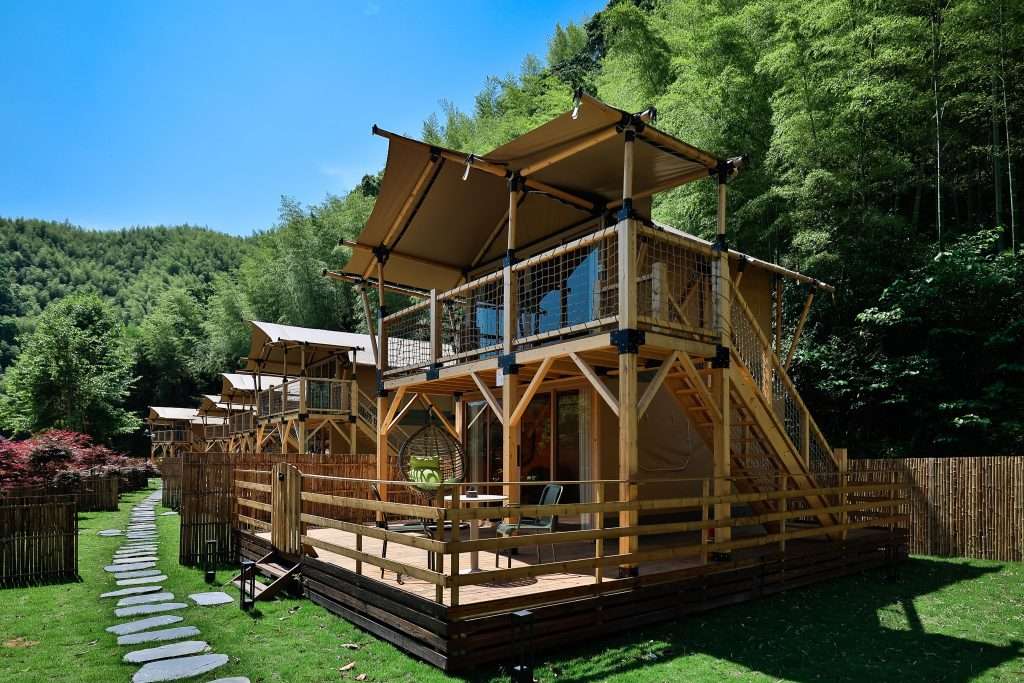
Timber platforms are the most popular choice for glamping sites. They look natural, blend well with the surroundings, and feel warm and inviting underfoot.
Advantages:
- Natural appearance that fits any outdoor setting
- Warm, comfortable feel
- Can be customized in size and shape- Relatively affordable
Disadvantages:
- Requires regular maintenance (sealing, treating, checking for rot)
- Can warp or rot over time if not properly maintained
- May attract insects or pests if untreated
Best for: Eco-friendly sites, forest locations, and sites where aesthetics matter most.
Steel Platforms – Strong and Durable
Steel platforms are the heavy-duty option. They are incredibly strong, long-lasting, and require very little maintenance.
Advantages:
- Extremely durable and long-lasting
- Minimal maintenance required
- Can handle heavy loads and extreme weather
- Resistant to pests and rot
Disadvantages:
- More expensive upfront
- Can look industrial if not finished well
- Heavier to transport and install
Best for: Challenging terrains, commercial sites with high turnover, and locations with extreme weather.
Composite Platforms – The Best of Both
Composite platforms combine materials like recycled plastic and wood fibers. They offer the natural look of timber with the durability of synthetic materials.
Advantages:
- Weather and rot resistant
- Low maintenance- Eco-friendly (often made from recycled materials)
- Good durability
Disadvantages:
- More expensive than timber
- Limited design options compared to timber
- Can feel less natural underfoot
Best for: Sites with high moisture, beachfront locations, and eco-conscious operators.
How to Design and Install Your Tent Platform
Designing a good platform takes some planning. Here are the key things you need to consider.
Understand Your Terrain
Every site is different. Before you build, take time to understand your ground.
Is it flat or sloped? Is the soil soft or rocky? Does it drain well or hold water? These factors will affect the type and design of your platform.
A good platform design works with the land, not against it. On sloped sites, you may need to use adjustable supports or build a stepped platform.
Choose the Right Size
Your platform needs to be large enough for your tent – and a little extra space is always nice.
Make sure the platform extends slightly beyond the tent footprint. This gives guests a small porch or entry area where they can take off muddy boots before stepping inside.
Plan for Drainage
Water is the enemy of any platform. If water pools underneath, it can cause rot, rust, and unpleasant odors.
Design your platform with drainage in mind. Leave gaps between boards (for timber) or ensure proper slope so water runs off.
Consider Load Capacity
Your platform needs to support the tent, furniture, guests, and possibly additional equipment.Steel platforms have a natural advantage here, but well-built timber platforms can also handle significant weight. Make sure your design accounts for the heaviest loads it will face.
Think About Assembly and Disassembly
If you are running a seasonal operation, you may need to set up and take down your platforms each year.Choose a design that is modular and easy to assemble. This will save time and labor costs in the long run.
Build a Solid Foundation for Your Glamping Business
A tent platform might not be the most glamorous part of your glamping site. But it might be the most important.
- It is what keeps your guests comfortable and dry.
- It is what protects your investment.
- It is what allows you to place proper furniture and create a luxurious experience.
And with the glamping market growing fast – expected to almost double from $3.8 billion to $7.9 billion by 2033 – there has never been a better time to invest in getting the details right.
If you are building a new glamping site or upgrading an existing one, do not overlook the foundation. Choose the right materials, design for your terrain, and build something that lasts.
At KK Glamping, we understand the importance of a solid foundation. We offer a range of tent platform solutions to suit different terrains and budgets. Whether you are looking for timber, steel, or composite options, we can help you find the right fit for your project.
Contact KK Glamping today and let us help you build a glamping site that stands strong – from the ground up.