What is a tipi tent? It comes from the wisdom of the Native American Plains tribes. Even with all the new building technology we have today, the tipi has never lost its charm. In this article, we’ll look at where the tipi came from, what it means to native cultures, and why it still works so well for modern glamping.
What Is a Tipi Tent?
A tipi is a cone-shaped tent. It is made with long poles that are arranged in a circle at the bottom and come together at the top. The frame is covered with animal skins or, in modern times, canvas or other strong fabrics. The tipi is easy to take apart and put back together. That made it perfect for nomadic life on the Great Plains.
A Brief History of the Tipi Tent
Early Origins
The exact start of the tipi is unknown, but Native American groups have used it for thousands of years. Tribes like the Lakota, Sioux, Cheyenne, and Crow relied on it. They needed a home that could move with the seasons. Early tipis used animal skins and branches. The design was simple, strong, and quick to set up.
17th–18th Century
When tribes began to use horses, they could travel farther and carry more. Tipis grew larger. Later, European traders brought canvas. Many tribes switched to canvas because it was lighter and easier to carry than animal skins.
20th Century
In the 1900s, interest in native culture grew. The tipi spread beyond North America. People started using it for festivals, camps, and outdoor events. Materials improved too. Metal poles and durable canvas replaced older materials to meet modern needs.
More Than a Shelter: Cultural Meaning
For many native people, the tipi is not just a place to sleep. It carries deep cultural and spiritual value. The decorations are not random. Every line and pattern has meaning. Eagles, deer, and stars often show tribal stories, personal achievements, or respect for nature.
The tipi is also a gathering place. Tribes hold ceremonies, weddings, and coming-of-age events inside. It stands for community, tradition, and respect.
Design That Still Works Today
The tipi has lasted because it is both beautiful and practical.
Strong Frame and Cover
A tipi uses a long pole frame with a cover. Historically, the cover was made from buffalo hide. Today, makers use PVC tarpaulin, canvas, or Oxford cloth. The frame may be aluminum alloy or steel. These materials make the tent stronger and longer lasting.
Easy to Set Up and Move
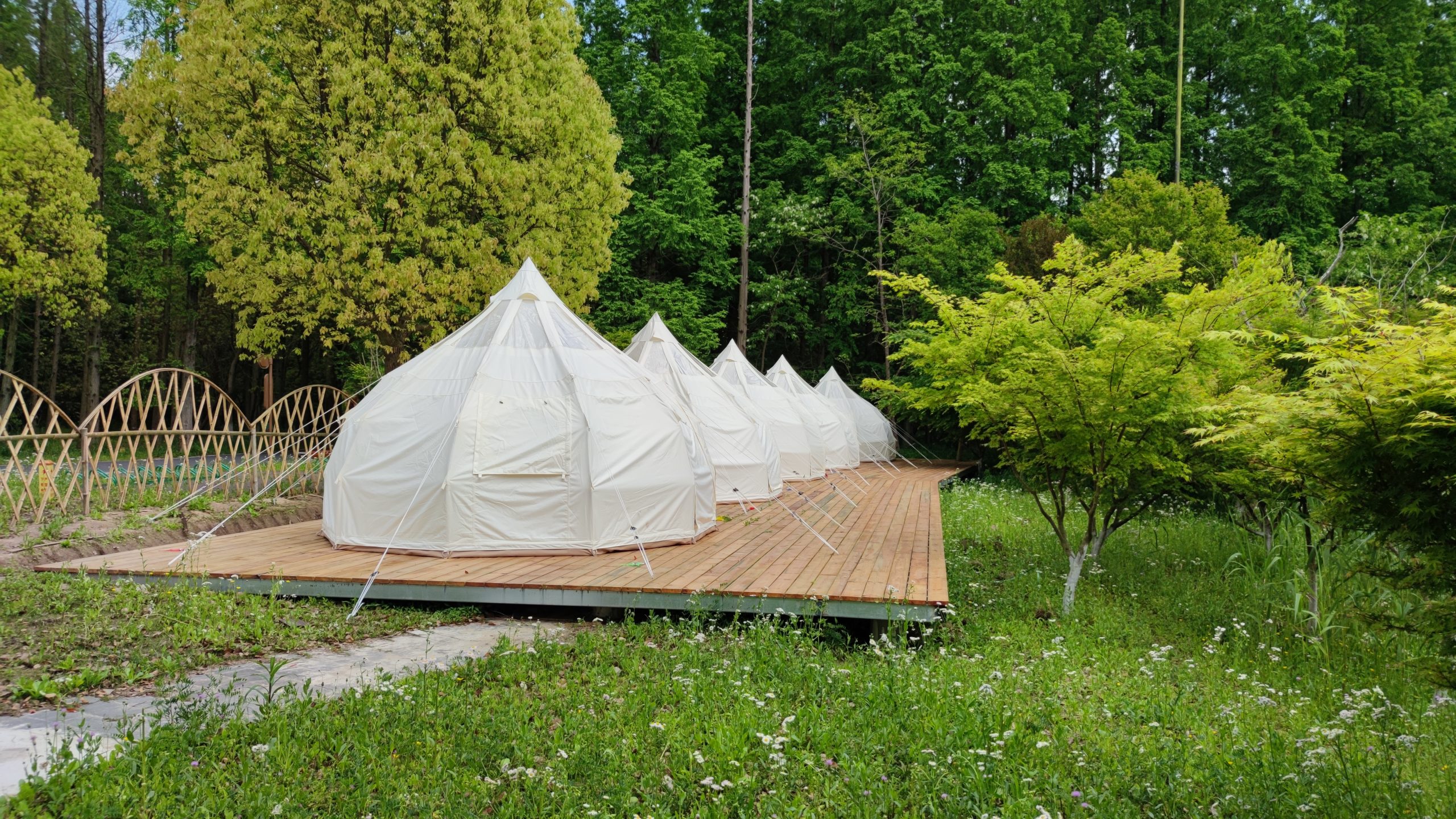
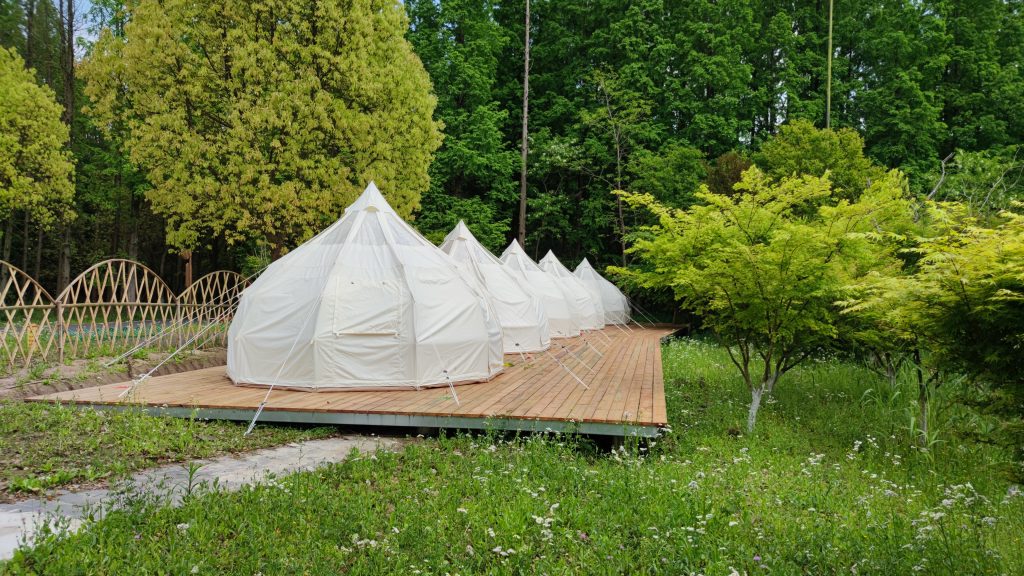
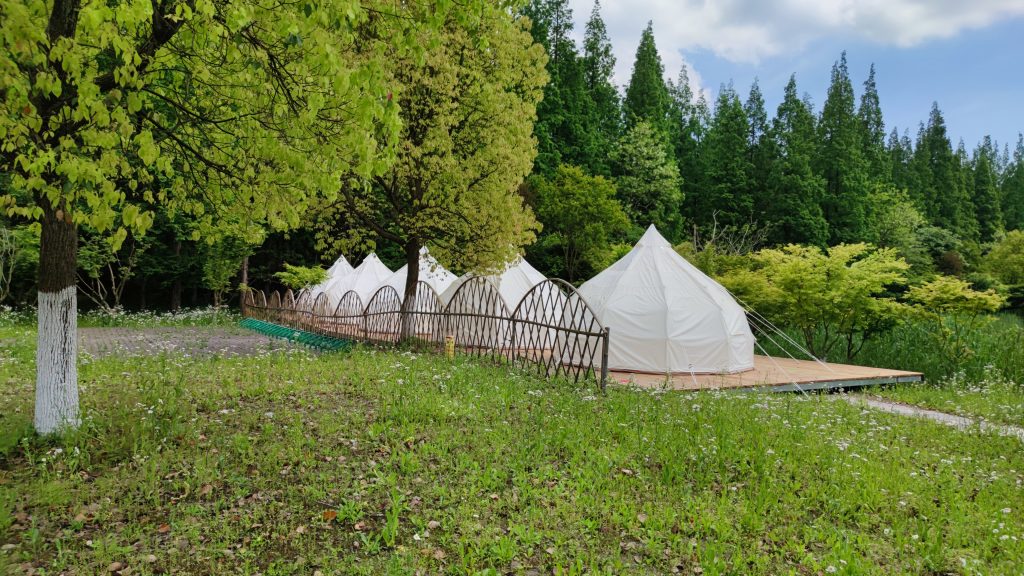
The tipi can be taken apart and rebuilt quickly. That makes it great for nomadic life. Modern modular designs make setup even easier. The number of poles is reduced to save materials. Several poles can be combined to create different shapes. Other options can be customized too. A white tipi tent looks clean and beautiful.
Wind and Rain Protection
The cone shape helps the tipi shed rain and snow. It also reduces wind resistance. This keeps the tent stable in bad weather.
Open and Bright Interior
The open design works well for large events. During the day, the tent is bright and airy, so you save on lighting. At night, a few lights create a warm, festive mood. A large tipi tent is perfect as a cultural venue or dining space at a resort. Compared with other tents, a cheap tipi tent offers good value.
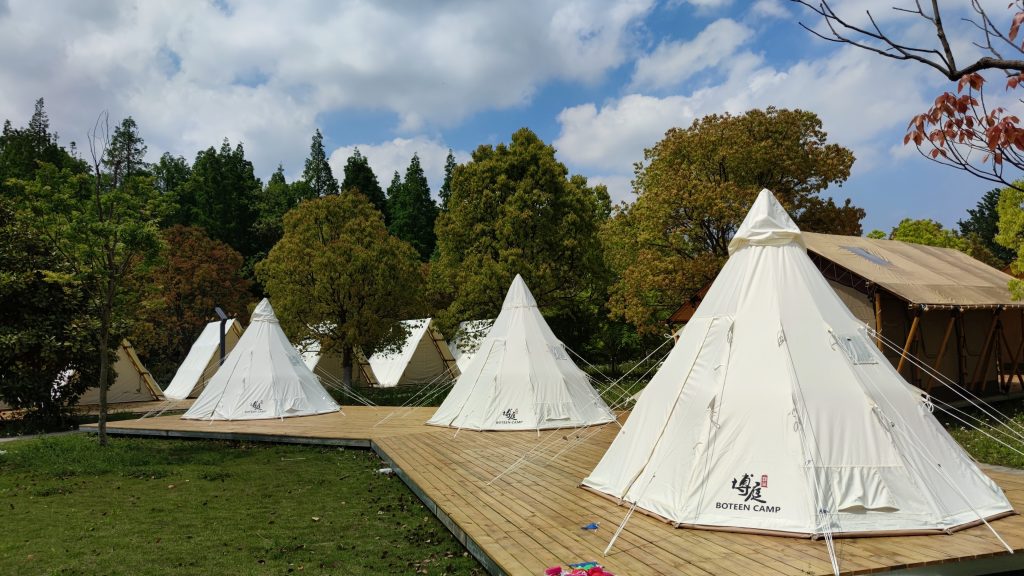
Tipi Tents in Modern Glamping
Today, tipi tents feel fresh and meaningful in a multicultural world. Guests can experience native-style living through craft making, dance shows, and story sharing. This helps people understand and respect different cultures. New materials have made modern tipis more durable and convenient while keeping the original shape. In the future, smart devices could make tipi camps even more comfortable.
Why Choose KK Glamping for Tipi Tents?
At Kawagebo Kamp Glamping (KK Glamping), we build high-quality tipi tents for glamping resorts, events, and cultural spaces. Our tipi tents use strong frames and weather-resistant covers. They are easy to set up, customize, and maintain. Whether you need one tipi or a full camp, we can help you create a space that guests will remember.
Conclusion
The tipi is a powerful symbol of Native American history and ingenuity. It is more than a shelter. It is a way of life that respects nature and community. Over time, the tipi has adapted while keeping its spirit. For modern glamping, it offers a unique mix of culture, comfort, and style.
If you want to learn more about tipi tents, please keep following KK Glamping.