Breaking the Winter Operation Misconception for High-Altitude Glamping
Many people wrongly believe high‑latitude and high‑altitude camps must close in winter. Modern luxury glamping tent design and engineering have overturned this traditional mindset. Advanced structural upgrades now allow glamping businesses to run steadily all year round.
3500m High-Altitude Glamping Project Core Design Priorities
We are currently developing a glamping camp at a snow‑capped mountain climbing base. The No.1 project site sits at an altitude of 3,500 meters with harsh alpine conditions. We focus on two key performances for this special high‑altitude winter project. We prioritize heavy snow load resistance, strong wind endurance and high-efficiency thermal insulation. These features ensure safe operation and comfortable guest experiences all winter long.
Optimized Tent Structure for Strong Wind and Snow Load Resistance
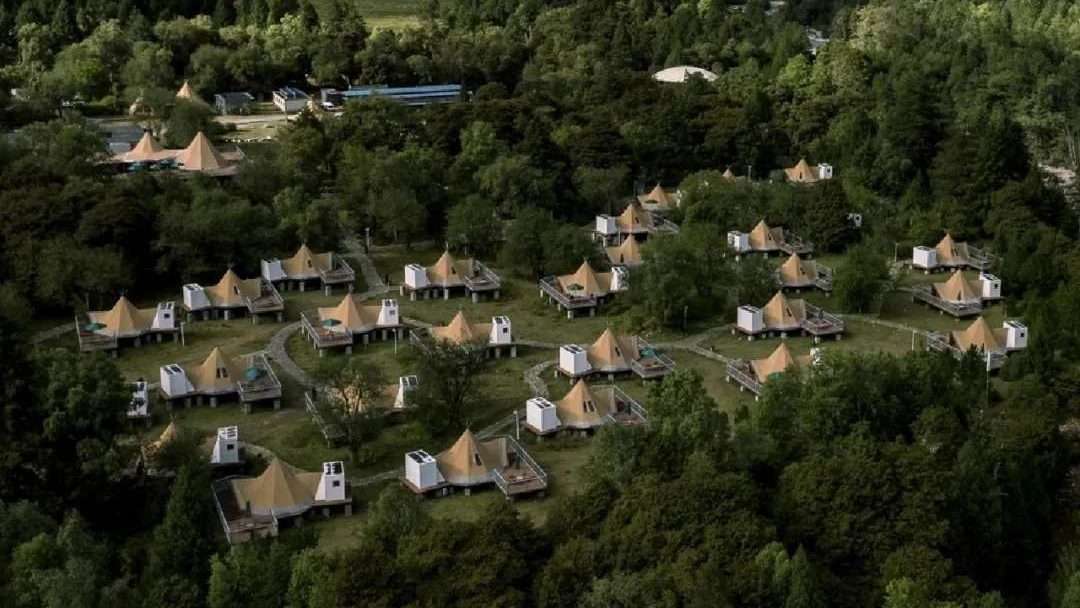
We conduct in-depth project communication first to understand all high-altitude environmental needs. We adjust and optimize the overall tent structure to solve snow pressure bearing risks completely. The finalized tent reaches a stable wind resistance level of Grade 8 to 9. It fully meets strict safety standards for long-term use in alpine high-altitude regions
Double-Layer Glass and Insulation Layer Lock Indoor Heat
We install full surrounding double-layer glass curtain walls to upgrade thermal preservation. This design effectively blocks cold air and greatly improves the tent’s overall heat retention. We add a professional insulation layer inside the standard tent structural system. It reduces indoor heat loss and keeps the interior temperature stable in freezing weather.
Eco-Friendly Flooring and Platform Design for Snow Mountain Ecology
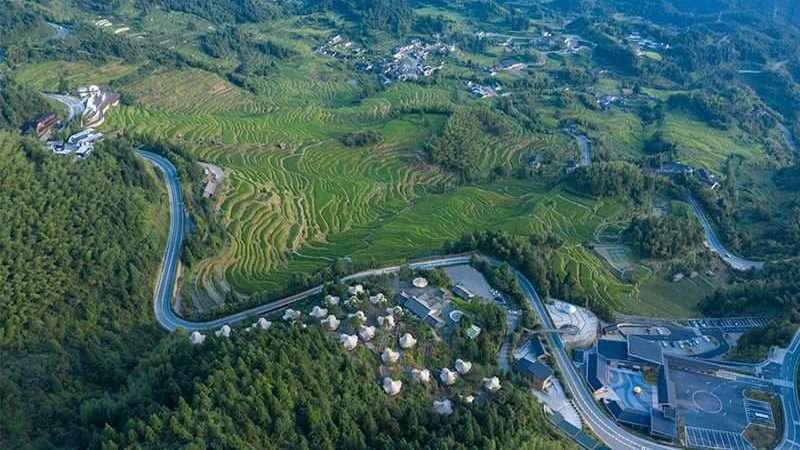
We choose interlayer insulated wooden flooring matched with underfloor heating systems. This combination delivers lasting warmth and creates a cozy indoor living environment. We build the camp platform with steel structures and anti-corrosion wood materials. This choice minimizes damage to the fragile snow mountain ecological environment. It follows sustainable development rules and maintains the original natural landscape well.